

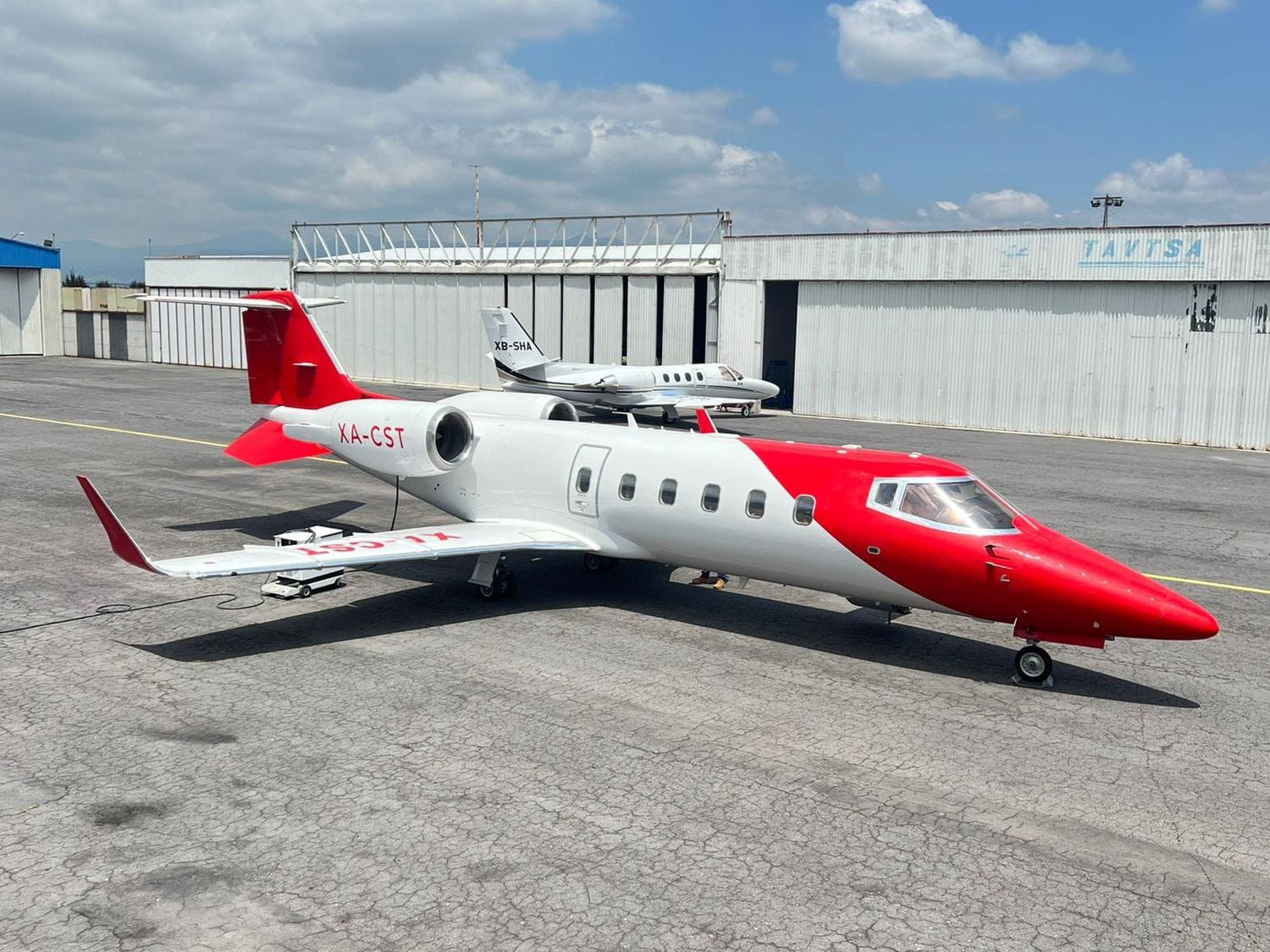
Puerto Vallarta Air Ambulance to the United States
Air ambulance from Puerto Vallarta and Banderas Bay. The Punta Mita ground leg, the airport inside the city, and ICU flights home.
Vallarta has the hospitals. Guadalajara has the rest.
Puerto Vallarta has the deepest private hospital network on this coast — Hospital CMQ City Center and CMQ Premiere in town, CMQ Riviera Nayarit in Buceriías, Hospital Joya Marina Vallarta and Hospital Joya Riviera Nayarit, Punta Mita Hospital up the coast, and the public Hospital Regional. Most things that happen to a visitor here can be treated here, and that is genuinely different from Huatulco or Loreto.
What still travels is the rest: complex neurosurgery, advanced cardiac intervention, burns, transplant work, specialist paediatrics, and — far more often — the patient who is stable but whose own doctor, own records and own insurance are in Toronto, Phoenix or Seattle. Guadalajara is about fifty minutes away in the air and five hours by road, and our own base is there, which is why the positioning leg into Vallarta is one of the shortest we fly.
The longest runway on this coast
Licenciado Gustavo Díaz Ordaz International (PVR / MMPR) has one asphalt runway, 04/22, 3,100 metres — 10,171 feet — at 23 feet of elevation, and moved about 6.9 million passengers in 2025, with customs and immigration on the ground floor of the terminal. For a medical flight that means no weight restriction in the afternoon heat and no additional fuel stop on a long leg north.
Riviera Nayarit is a ground-transport problem
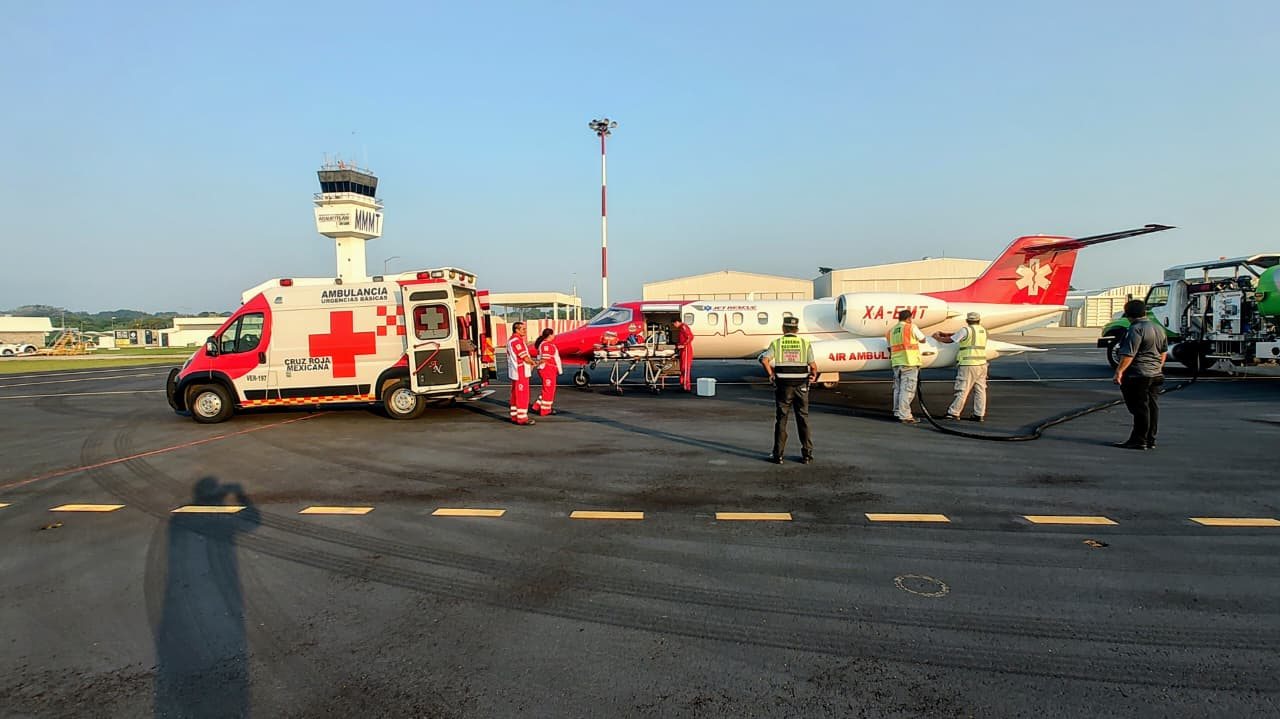
Patients are admitted in Nuevo Vallarta, Buceriías, Punta de Mita, Sayulita and San Pancho as often as in Vallarta itself, and the bay road at the wrong hour is slow. A transfer from Punta Mita or Sayulita adds a real ground leg before the aircraft is even involved. We build that into the schedule and tell you the honest door-to-door time, rather than quoting a flight time and letting the drive be somebody else's surprise.
What goes wrong in Vallarta
Cardiac events and strokes in the large retired American and Canadian community, which is the biggest single category. Zipline, ATV and canopy-tour trauma in the sierra behind the bay. Parasailing and jet-ski accidents on the bay itself. Scooter and road trauma on the coast highway. Falls on the cobbles in the old town, which produce more hip fractures than anyone expects. And the surgical complications that follow an operation in a city the patient does not live in.
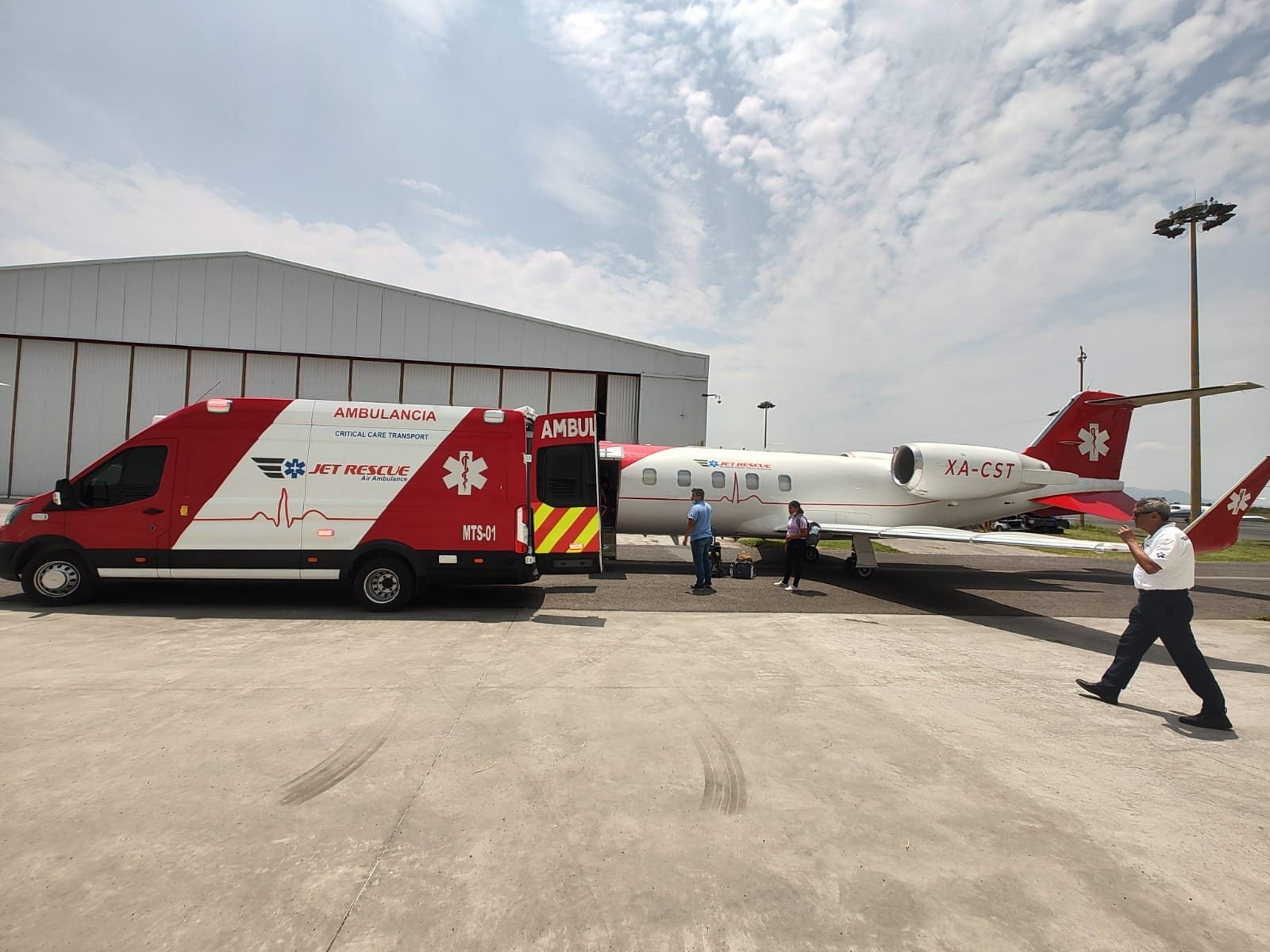
Where we fly from Puerto Vallarta
- Los Angeles, San Diego, San Francisco, Phoenix and Las Vegas — short legs, and the most common destinations. See Mexico to Los Angeles.
- Houston, Dallas, Denver, Chicago and the east coast — see Mexico to Houston.
- Vancouver, Calgary, Edmonton, Winnipeg, Toronto and Montreal — see Canada air ambulance.
- Guadalajara, Monterrey and Mexico City, when the specialist centre the patient needs is in Mexico and the patient is not yet fit for a border crossing.
Paisanos and the Jalisco corridor
Jalisco sends more people to the United States than almost any other Mexican state, and they come home to Vallarta and the towns around it every year. When one of them is hospitalised here and their doctor, their job and their insurance are in Los Angeles or Chicago, the transport back is the whole problem. We run that corridor constantly — see the Programa Paisano, which is written in Spanish for families arranging exactly this.
Who pays
The hospital bill and the transport are separate, and the hospital bill is often larger. US Medicare pays nothing abroad. Canadian provincial plans pay very little. The private travel policy is usually the document that decides, and it has to approve the transport in advance. We read it, we talk to the insurer or assistance company directly, and we tell you honestly what we expect them to do — see does insurance cover an air ambulance.
Common questions
How quickly can you get to Puerto Vallarta?
Faster than almost anywhere else we fly, because one of our bases is in Guadalajara, fifty minutes away. Most cases launch the same day once the receiving hospital has accepted.
Should the patient be moved to Guadalajara or flown home?
If the care they need is time-critical and they are not fit for a long leg, Guadalajara first is often the right answer. If they are stable, flying them straight home avoids a second transfer. The flight physician decides that with the treating doctor, not with a salesperson.
Can you collect from Punta Mita or Sayulita?
Yes, by ground ambulance to the aircraft at PVR. Tell us which hospital at the first call so we can time the drive properly.
Is an air ambulance necessary for a stable patient?
Often not. A medical escort on a commercial flight covers more cases than families expect and costs a fraction as much. We will tell you when that is the right answer.
What will it cost?
One fixed price agreed in writing before you commit, with no surcharges added afterwards. The variables are distance, aircraft and what the patient needs on board — see air ambulance cost.
Call +1.786.619.1268 and ask for a mission coordinator, or send the case details. The clinical review is free and there is no obligation to fly with us.
Tell us about the patient
A mission coordinator answers 24 hours a day. The benefits review is free and carries no obligation.