

Air Ambulance for Spinal Cord Injury
Air transfer after spinal cord injury: holding precautions through every move, breathing in high cervical injury, and autonomic dysreflexia in flight.
Transferring a patient with a spinal cord injury
A spinal cord injury transfer is judged on one thing: whether the cord is in the same condition on arrival as it was on departure. Everything else follows from that. The flight itself is the most controlled part of the journey; the risk sits in the four or five times the patient is moved between the bed at origin and the bed at destination.
Precautions have to survive every transfer, not just the flight
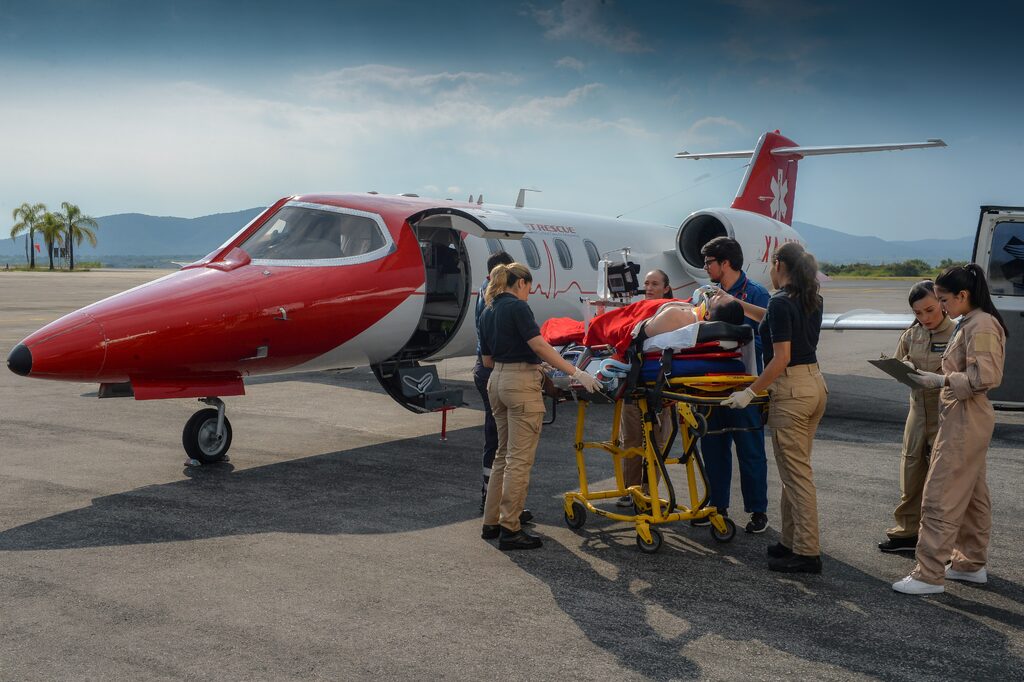
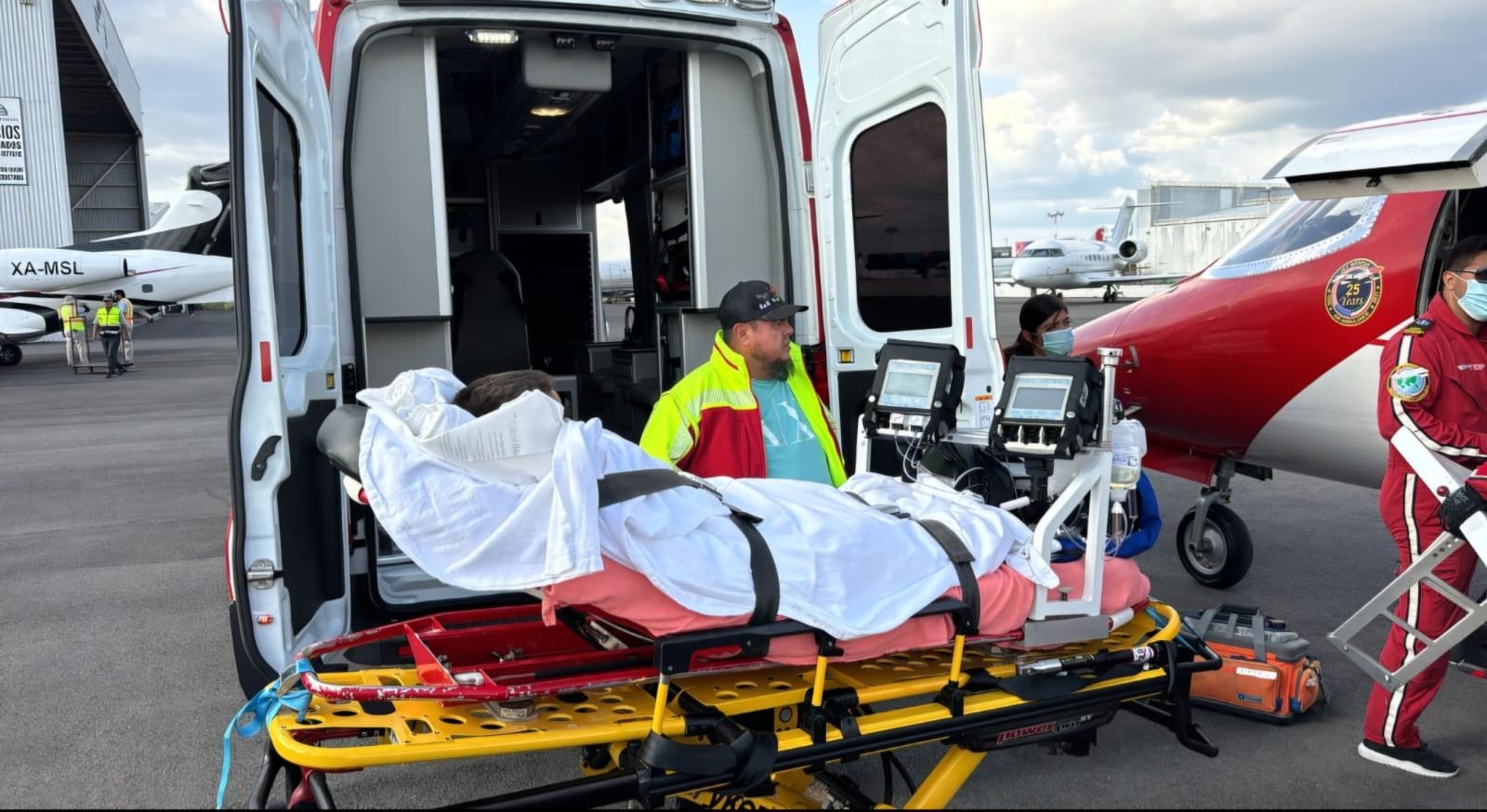
Between the sending ward and the receiving ward a patient is moved from bed to trolley, trolley to ambulance, ambulance to aircraft stretcher, and the same again in reverse. Each move is an opportunity to lose alignment. Precautions are maintained continuously by a crew that does this routinely, with log-rolling and a scoop or vacuum mattress rather than improvisation at the aircraft door.
Where the spine has not been cleared or stabilised surgically, that is stated explicitly in the handover and the whole move is planned around it.

Breathing, and why the injury level decides the flight
A high cervical injury weakens or removes the muscles of breathing. Patients who manage on the ground can tire in the air, and a patient who is already ventilated needs the transport ventilator set to match what they are used to rather than a default. Secretion clearance matters on a long leg: a patient who cannot cough effectively needs suction and a plan, not just a machine.
Vital capacity and the trend in it over the preceding day tell us more about whether this patient will be comfortable in the air than any single number.
Autonomic dysreflexia and the slower problems
In injuries at T6 and above, a blocked catheter, a full bowel, a tight strap or a pressure point can trigger a dangerous rise in blood pressure. The crew knows to look for the cause rather than only treat the number, and the common causes are checked before departure and monitored through the flight.
Temperature regulation is impaired below the level of injury, and a cabin is cold. Pressure injuries start in hours, not days, which on a long intercontinental leg is squarely within the flight: padding, repositioning where the injury allows, and attention to heels, sacrum and anywhere a strap crosses skin.
Who flies
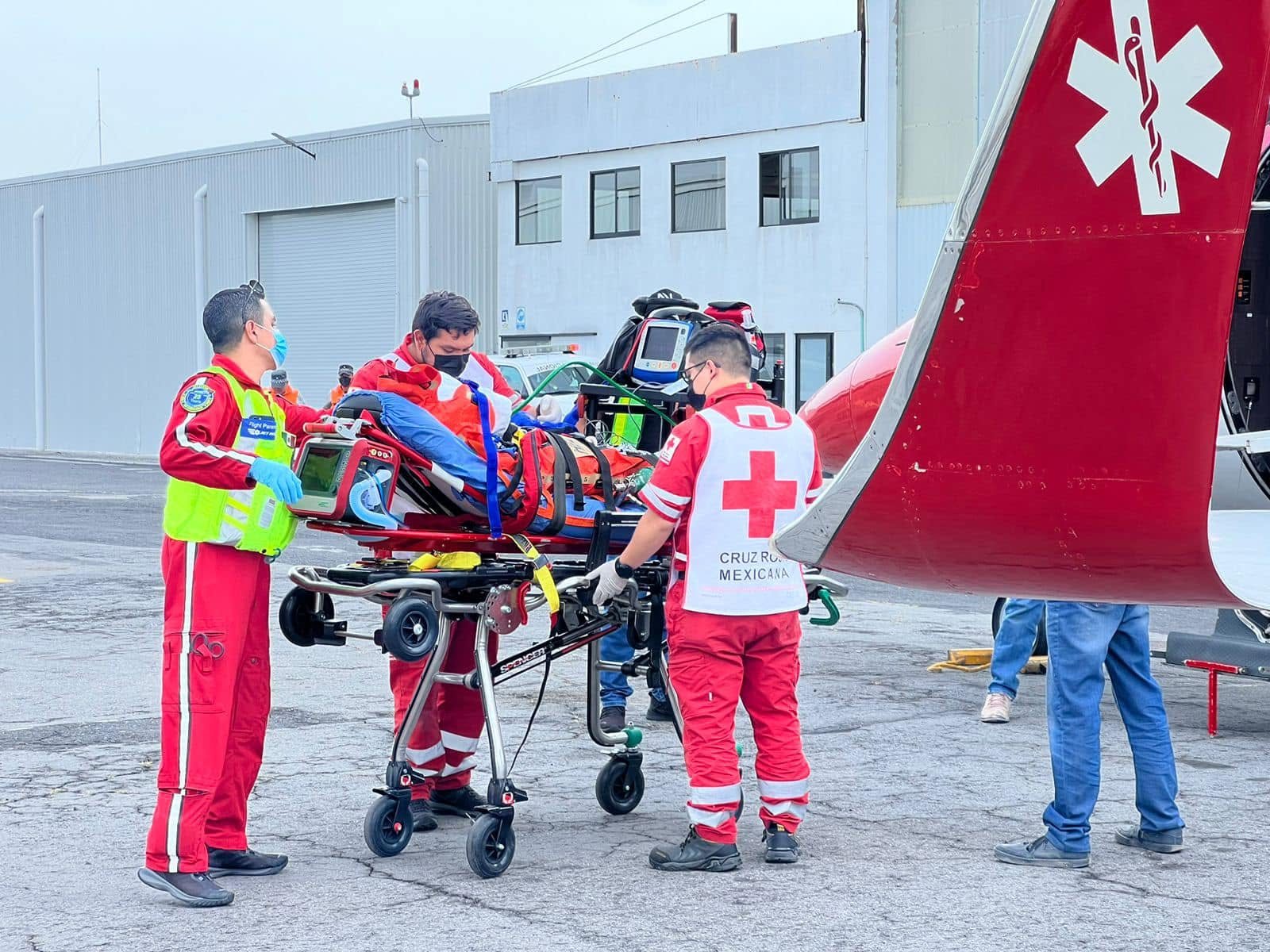
A critical care flight physician and a critical care flight paramedic, with ventilator and airway capability, suction, invasive monitoring and the immobilisation equipment for the whole door-to-door move.
Next steps: request a quote, what an air ambulance costs, whether insurance covers it.
Tell us about the patient
A mission coordinator answers 24 hours a day. The benefits review is free and carries no obligation.