

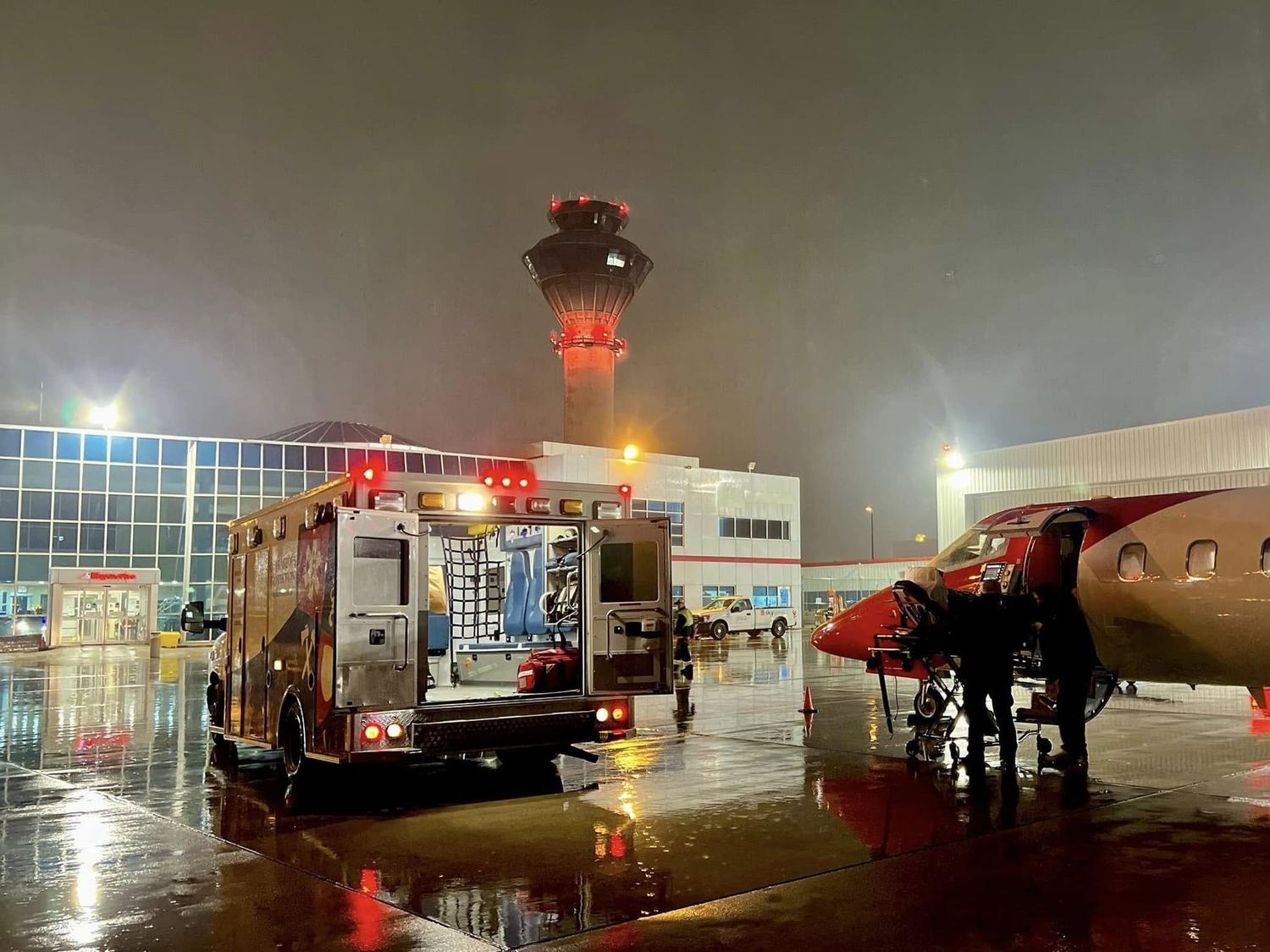
Emergency response air ambulance
What happens between your first call and wheels up: how an emergency air ambulance launch is built, and what genuinely slows one down.
The honest version of “we launch immediately”
No air ambulance leaves the ground the moment the phone rings, and any operator who tells you otherwise is selling. What a good one does is run every step that can be run in parallel, and be honest about the two or three that cannot.
Here is what the hours actually contain.
The first call
We need five things, and we can start without the rest: where the patient is, what is wrong with them, whether they are ventilated, where they need to go, and who is authorising the cost. With that, the flight desk begins three things at once — a medical assessment, an aircraft and crew assignment, and the permits for the routing.
If you have a medical summary, send it. If you do not, tell us what you know. We would rather start on partial information and refine it than wait for a complete file.
What runs in parallel
- Clinical assessment. Our flight physician reviews the case and decides what the patient needs in the air: ventilator settings, infusions, blood products, an incubator, a device. This determines the aircraft, not the other way round.
- Aircraft and crew. Assignment against duty time, maintenance status and where the aircraft actually is right now.
- Permits and slots. Overflight and landing permissions for every country on the routing. This is the step that most often sets the real departure time, and it is the one least within anyone's control.
- Both ends on the ground. Receiving hospital acceptance, a bed, and ground ambulances booked at origin and destination.
- The quote. One fixed, all-inclusive figure agreed in writing before you commit.
What genuinely slows a launch
Being straight about this is more useful than a promise.
- No receiving bed. The single most common delay. An aircraft cannot depart towards a hospital that has not accepted the patient.
- Permits for a difficult routing. Some countries issue in an hour. Some do not, and no amount of urgency changes that.
- The patient is not yet stable enough to move. Sometimes the right answer is to wait, and we will say so.
- Nobody has authorised the cost. Insurer, employer, family — someone has to say yes.
- Airport hours. Not every field is open at night or has customs on call.
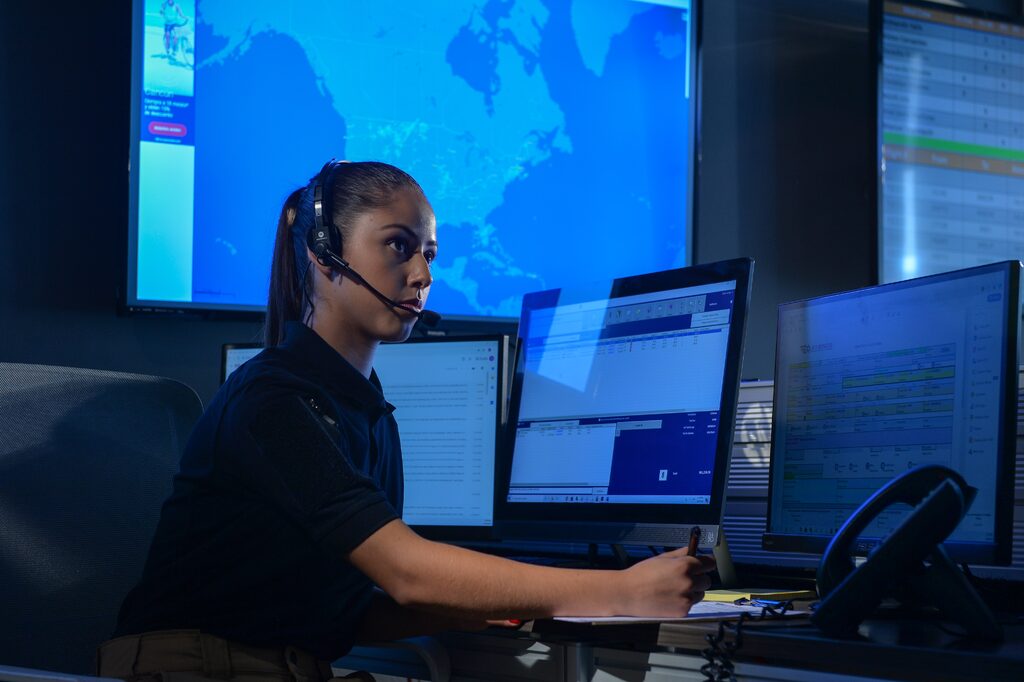
Why a dedicated flight desk matters
Our operations centre is staffed around the clock by flight coordinators who do this and nothing else. They are not salespeople who also dispatch. The difference shows at two in the morning, when the receiving hospital changes, a permit is refused, or weather closes the destination and the whole plan has to be rebuilt in twenty minutes.
Call and find out in one conversation
You will get a straight answer about whether we can take the case, a realistic departure window rather than an optimistic one, and a fixed price. If we are not the right operator for your patient, we will tell you that too.
Request a quote · Medical evacuation · The crew that flies the mission
Tell us about the patient
A mission coordinator answers 24 hours a day. The benefits review is free and carries no obligation.