

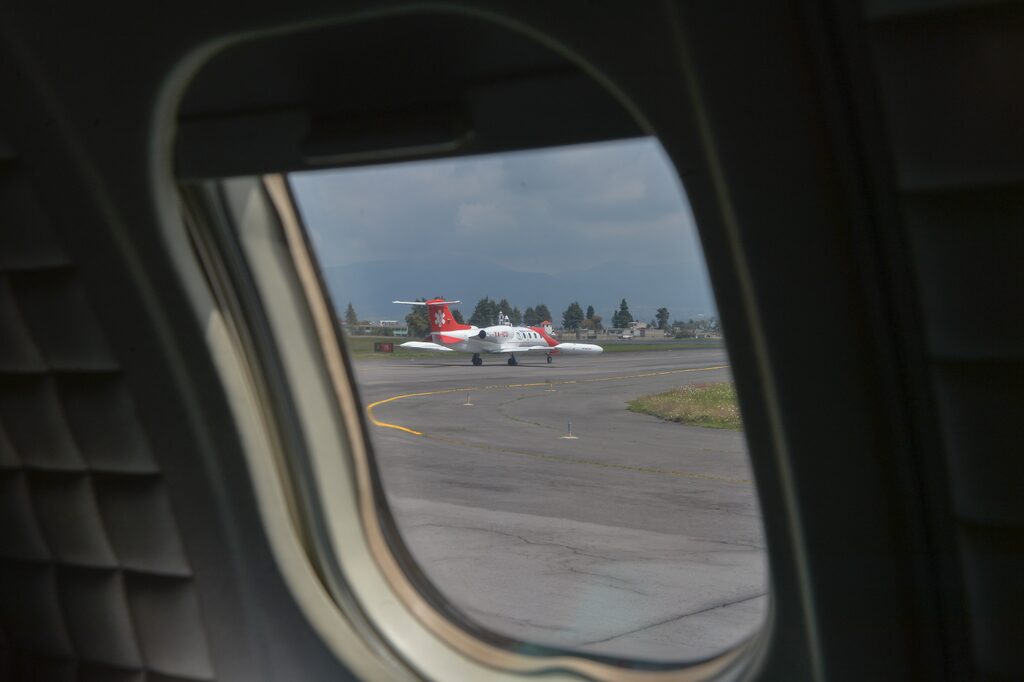
Hawaii air ambulance to the mainland
Long-range overwater critical care transport from Honolulu to the US mainland — a domestic transport, so Medicare and commercial plans can cover it.
Long-range overwater critical care transport from Honolulu to the US mainland. It is a domestic US transport, which changes what insurance pays.
2,200 nautical miles of open water
A medical flight from Hawaii to the mainland is the longest routine air ambulance leg flown inside the United States. Honolulu to Los Angeles is about 2,200 nautical miles, San Francisco slightly more, Seattle more again, with no alternate airport for most of the crossing. That governs everything: the aircraft, the oxygen, the crew and the fuel are all sized for a leg that cannot be broken halfway.
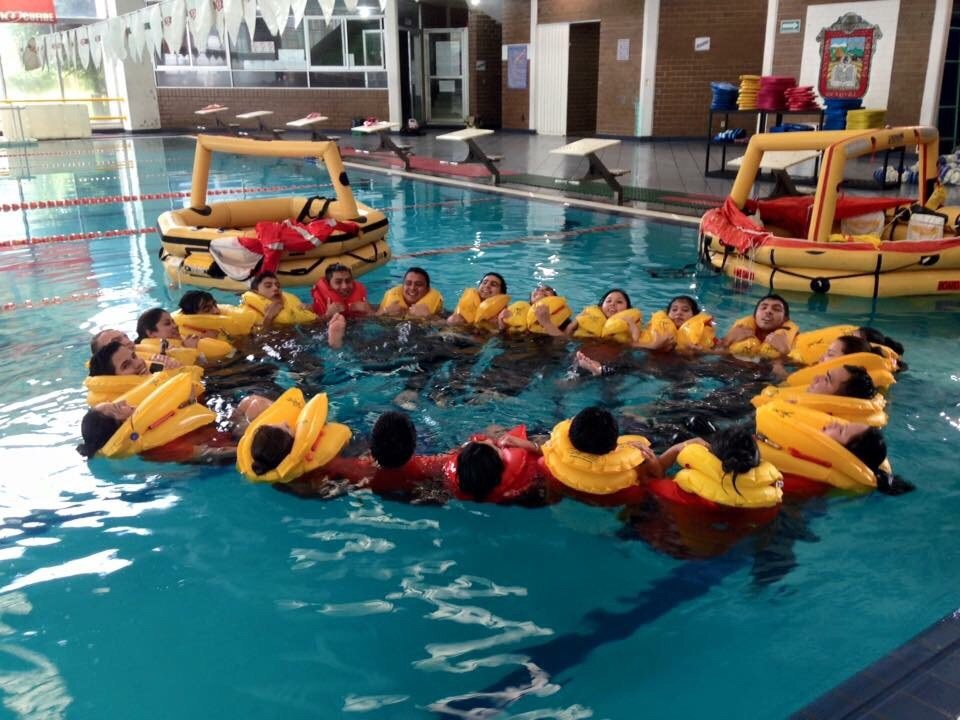
This is not a mission for a light jet. It needs a long-range aircraft, an augmented flight crew for duty time, overwater survival equipment, and a medical crew configured for several hours in which diversion is not an option.
This is a domestic transport, and that matters for coverage
Hawaii to the mainland is a domestic US transport, so Medicare Part B and Medicare Advantage can cover it. That is the opposite of every international corridor we fly, where Medicare pays nothing, and it is the single most important thing for a Hawaii family to understand. If the patient needs a level of care that is not available in the islands and the treating physician documents that, Medicare, Kaiser Permanente, Blue Cross Blue Shield and the commercial plans all have a clear path to covering the flight.
Kaiser Permanente has a substantial presence in Hawaii, and Kaiser members transferring to a mainland Kaiser facility are among the most straightforward authorizations in the whole market. Tell us at the first call if the patient is a Kaiser member.
The distinction that decides most Hawaii cases is simple. A move because the patient would prefer to recover at home is generally not covered; a move because the required care is not available where they are, or because their plan's network is on the mainland, usually can be. We document the clinical case accordingly and tell you honestly which side of that line we think your relative falls on. The benefits review is free and we obtain the authorisation before the aircraft is released.
Why patients leave, and why they do not
Honolulu has full tertiary capability, including trauma, cardiac and neurosurgical services, so the reason to move a patient off the islands is almost never that Hawaii cannot treat them. It is usually repatriation: continuing care near family, an insurer requiring a return to a mainland network, or a long rehabilitation better done at home.
There are real clinical exceptions. Transplant work-ups, certain paediatric subspecialties, complex burn care, some oncology protocols and some cardiac and neurosurgical procedures require the mainland. When that is the clinical reality, documenting it properly is what gets the transport authorized, and we handle that with the treating physician.
If the patient is on a neighbour island
We fly the mainland crossing. We do not fly inter-island within Hawaii. A patient on Maui, Kauai, Molokai, Lanai or the Big Island reaches Honolulu first with a local inter-island provider, and we take the case from there. Say so on the first call and we will plan the mainland leg around that timing, so the patient is not sitting in Honolulu waiting on us.
In practice the two moves rarely happen on the same day in any case. The inter-island transfer usually comes first and the Pacific crossing follows once the patient is stable enough for a leg that cannot be broken halfway.
Where we fly from and to
We fly from Honolulu to Los Angeles, San Francisco, San Diego, Seattle, Portland, Phoenix, Denver, Dallas and Houston, and onward to any mainland centre the patient needs, including transplant and specialist burn, cardiac and neurosurgical programmes. Canada as well.
Overwater planning, explained plainly
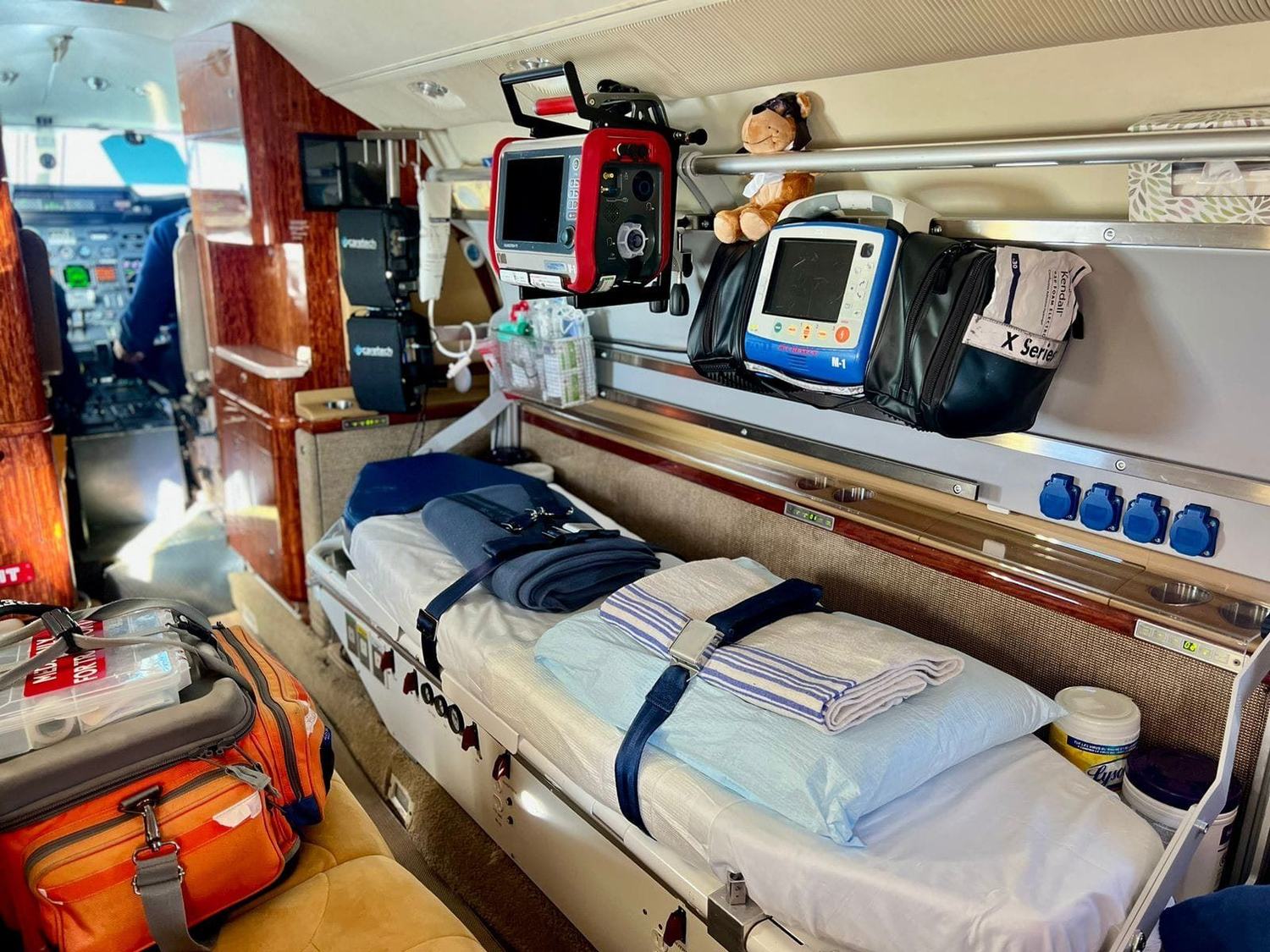
Oxygen is carried for the full duration with reserve. The medical crew plans for the whole leg with no resupply. The route is flown with the available diversion fields understood in advance. A patient who is marginal on oxygen at sea level is not a candidate for a non-stop Pacific crossing; in that case we plan a stop and say why, rather than take the risk.
What we arrange
The long-range ICU aircraft, the flight physician and critical care paramedic, both ground ambulance legs, and the receiving hospital's written acceptance on the mainland or in Canada. One mission coordinator stays with the case from the first call to the signed handover.
Speak to a mission coordinator
You will reach a mission coordinator, not a call centre. Send the insurance card front and back, the patient's name and date of birth, the hospital they are in, and a short description of the medical situation. The review is free and carries no obligation.
Tell us about the patient
A mission coordinator answers 24 hours a day. The benefits review is free and carries no obligation.