

What Happens During a Worldwide Air Ambulance Emergency?
Discover the full process of a global air ambulance emergency, including coordination, medical transport, and critical care across international borders.
Medical emergencies can happen anywhere - on vacation, during business travel, or while living abroad. When a serious illness or injury occurs in a location where adequate medical care is unavailable, a worldwide air ambulance emergency becomes a critical, life-saving solution.
Understanding how this process works can help patients, families, and healthcare providers respond quickly and effectively during high-pressure situations. This guide explains what happens during an international air ambulance emergency, step by step.
What Is a Worldwide Air Ambulance Emergency?
A worldwide air ambulance emergency occurs when a patient requires urgent medical transport across cities, countries, or continents. These emergencies often involve:
- Severe trauma or injuries
- Cardiac or neurological events
- Organ failure or transplant needs
- Critical illness in remote locations
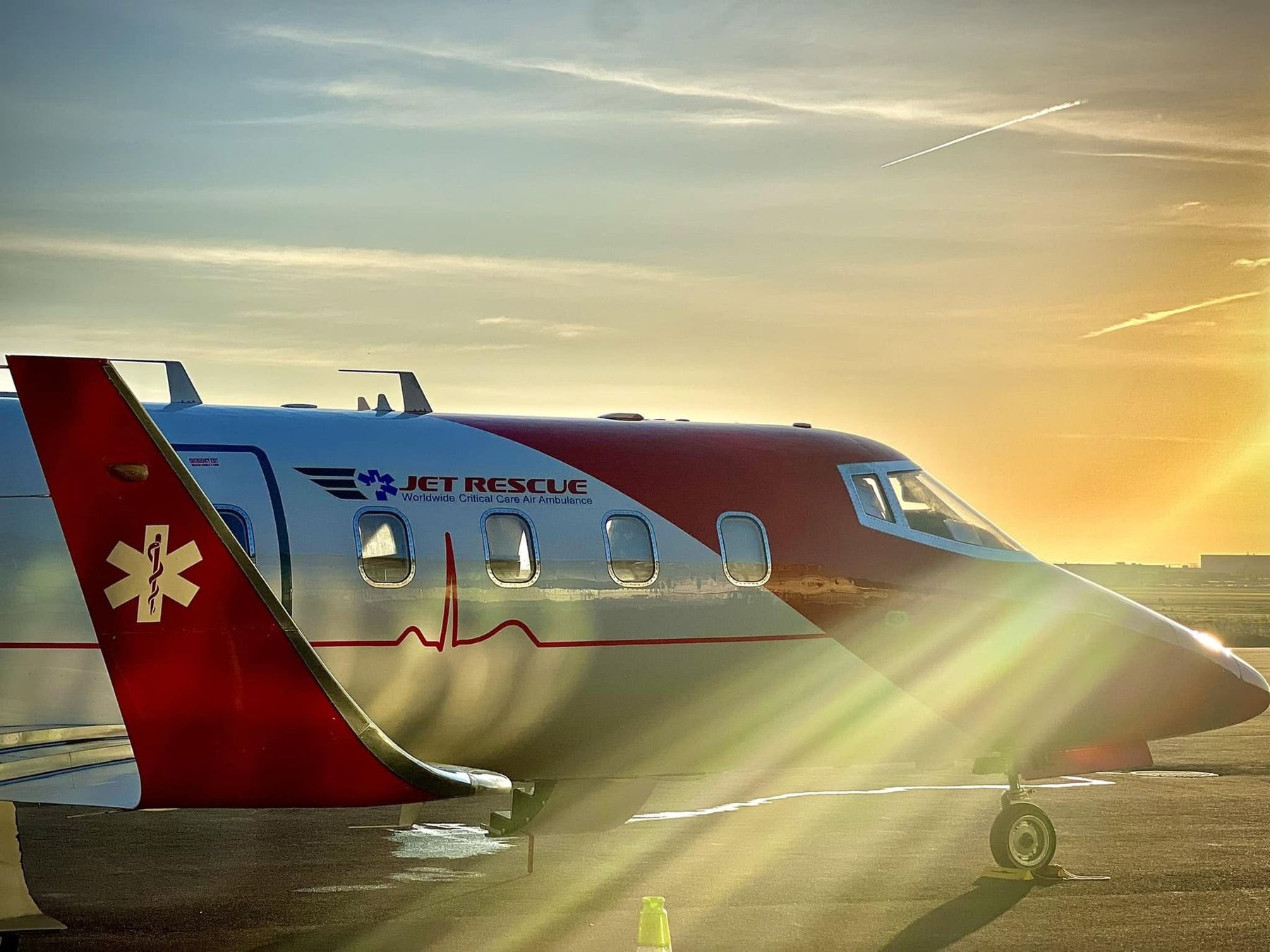
In such cases, specialized providers like Jet Rescue Air Ambulance are deployed to deliver ICU-level care while transporting patients safely to appropriate medical facilities.
Emergency Call and Initial Assessment
The process begins with a call to an air ambulance provider or coordination center. This may be initiated by:
- A hospital or physician
- A travel insurance company
- A family member
Medical experts immediately assess the patient’s condition, reviewing medical reports, stability, and urgency. They determine whether air transport is necessary and what type of aircraft and medical crew will be required.
Medical and Flight Coordination
Once the case is approved, a dedicated coordination team manages all logistics, including:
- Securing medical clearances
- Identifying receiving hospitals
- Arranging ground ambulances
- Planning flight routes and permits
International missions require complex coordination, including customs, immigration, and overflight permissions. Experienced providers like Jet Rescue Air Ambulance handle these details efficiently to avoid delays.
Aircraft Preparation and Medical Setup
Air ambulance aircraft are essentially flying intensive care units. Before departure, the aircraft is prepared with:
- Advanced life-support equipment
- Ventilators and oxygen systems
- Cardiac monitors and infusion pumps
- Specialized equipment based on patient needs
The medical crew reviews the patient’s condition and prepares for in-flight care.
Types of Aircraft Used in Air Ambulance Missions
- Aircraft Type
- Typical Use Case
- Helicopters
- Short-distance or remote area evacuations
- Turboprop Planes
- Regional transfers
- Private Jets (Learjet, etc.)
- Long-distance international transport
- Commercial Medical Escorts
- Stable patients on commercial flights
Jet aircraft are commonly used for international missions due to their speed, range, and ability to carry advanced medical equipment.
Patient Transfer to Aircraft
The patient is carefully transported from the hospital (or accident site) to the aircraft using a ground ambulance. The medical team ensures:
- Continuous monitoring during transfer
- Safe loading using specialized stretchers
- Stabilization before takeoff
This “bedside-to-bedside” approach ensures no interruption in medical care.
In-Flight Critical Care
During the flight, patients receive continuous ICU-level treatment. Medical teams monitor:
- Heart rate and vital signs
- Oxygen levels and respiratory function
- Medication administration
In complex cases, interventions such as ventilation support or emergency procedures may be performed mid-flight.
Providers like Jet Rescue Air Ambulance are equipped to handle high-risk conditions, ensuring patient safety even during long international journeys.
Arrival and Hospital Transfer
Upon arrival, the patient is transferred via ground ambulance to the receiving hospital.
The medical team provides:
- Detailed patient reports
- Continuity of care handover
- Coordination with hospital staff
This ensures a smooth transition and immediate continuation of treatment.

Average Response Time in Air Ambulance Emergencies
- Stage
- Estimated Time
- Case Assessment
- 1–2 hours
- Flight Coordination
- 4–12 hours
- Aircraft Deployment
- 6–24 hours
- Total Response Time
- 8–36 hours
Response times vary depending on location, permits, and patient condition.
Key Factors That Affect Air Ambulance Emergencies
Several variables influence how quickly and efficiently a mission is completed:
- Patient stability and medical complexity
- Distance and destination
- Availability of aircraft and crew
- Weather conditions
- International regulations and permits
Experienced providers streamline these factors to minimize delays.

Common Challenges During International Medical Transport
Air ambulance missions are complex and may face challenges such as:
- Language barriers in foreign countries
- Limited medical infrastructure in remote areas
- Delays in travel documentation
- Weather disruptions
A professional coordination team plays a critical role in overcoming these obstacles.
Who Typically Uses Air Ambulance Services?
Air ambulance services are used by:
- Tourists injured abroad
- Business travelers
- Expatriates
- Patients requiring specialized treatment unavailable locally
- Individuals in remote or underserved regions
For these patients, air ambulance transport can be life-saving.
The Role of Air Ambulance Providers
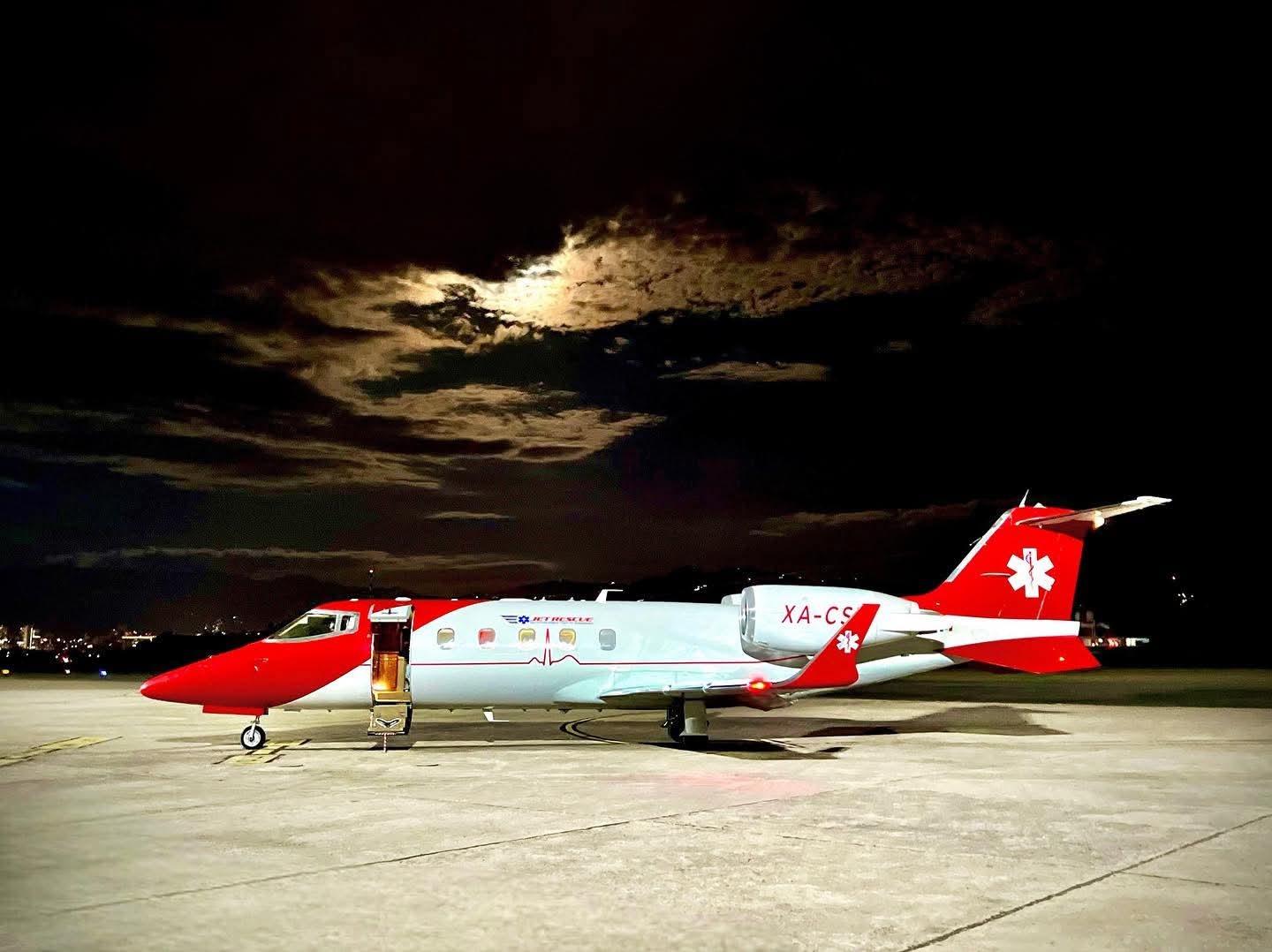
Professional providers like Jet Rescue Air Ambulance offer comprehensive services that include:
- 24/7 emergency response
- ICU-equipped aircraft
- Experienced flight medical teams
- Global logistics coordination
- Bedside-to-bedside care
Their expertise ensures that patients receive timely and safe transport, regardless of location.
Global Air Ambulance Services: Delivering Care Without Limits
A worldwide air ambulance emergency is a highly coordinated, time-sensitive process designed to save lives when local medical care is insufficient. From the initial emergency call to the final hospital transfer, every step is carefully managed to ensure patient safety and continuity of care.
Understanding how this process works can help families and healthcare providers make informed decisions during critical moments. With the support of experienced providers like Jet Rescue Air Ambulance, patients can access advanced medical care and safe transport across international borders.
In life-threatening situations, rapid response and expert care make all the difference and air ambulance services play a vital role in delivering both.
FAQs
1. How does an air ambulance process work?
The process includes medical assessment, flight coordination, aircraft preparation, patient transfer, in-flight care, and hospital handover at the destination.
2. How fast can an air ambulance respond internationally?
Most international air ambulance services can respond within 8 to 36 hours, depending on location, medical condition, and required flight clearances.
3. What kind of medical care is provided during the flight?
Patients receive ICU-level care, including monitoring, ventilator support, medication management, and emergency interventions if needed.
4. Who needs air ambulance services?
Air ambulance services are typically used by critically ill or injured patients, travelers abroad, individuals in remote areas, and those needing specialized medical care not available locally.
5. Are air ambulances equipped like hospitals?
Yes, most air ambulances are equipped with advanced medical technology similar to intensive care units, including cardiac monitors, ventilators, and life-support systems.
6. Which companies provide international air ambulance services?
Providers like Jet Rescue Air Ambulance offer global air medical transport with advanced aircraft and experienced medical teams.
Tell us about the patient
A mission coordinator answers 24 hours a day. The benefits review is free and carries no obligation.