

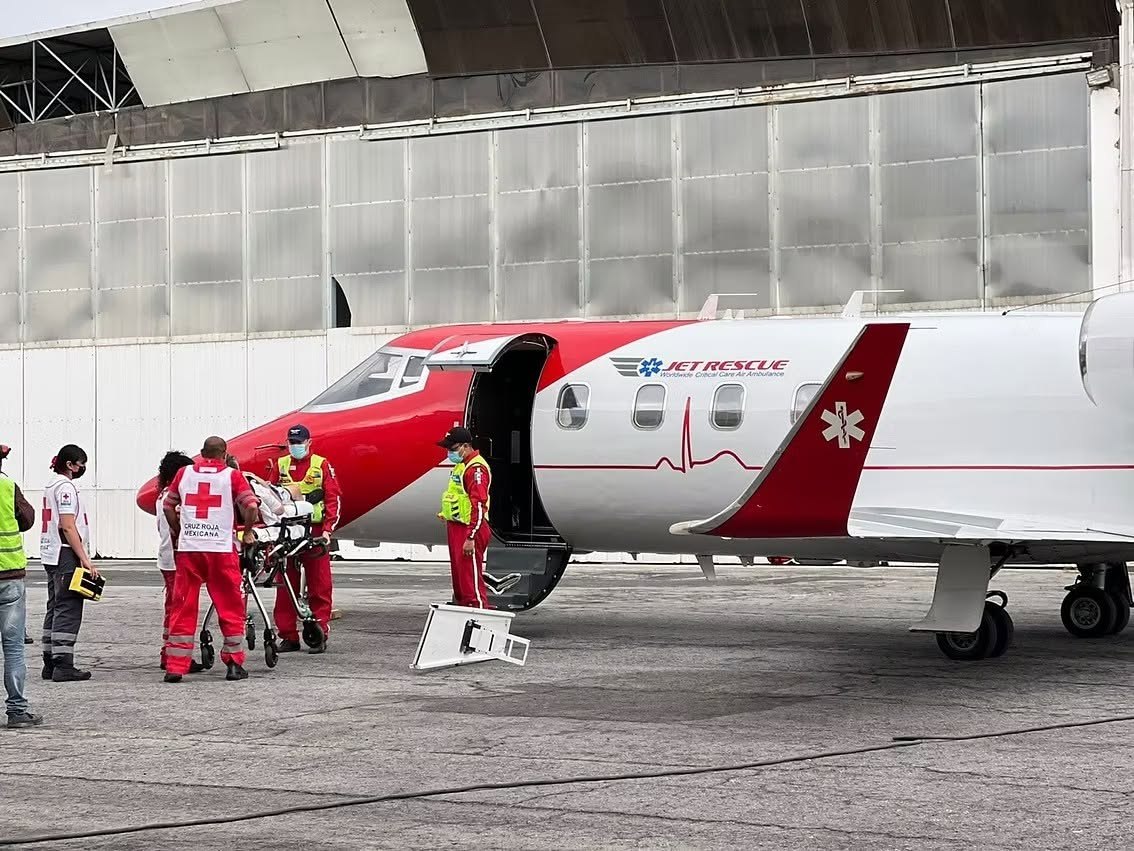
What Documents Are Needed for Medevac?
Learn what documents are needed for medevac, from medical records and IDs to insurance, consent, and cross-border travel paperwork.
When a hospital says a patient can move only with a medical team on board, the next question is usually immediate: what documents are needed for medevac? The answer depends on the patient’s condition, the departure and arrival locations, and whether the flight is domestic or international. In urgent cases, the paperwork should never slow down the transport, but having the right documents ready can prevent clearance delays, customs issues, and admission problems on arrival.
For families, case managers, and discharge planners, the goal is not to build a perfect file. It is to gather the documents that allow the air ambulance provider, sending facility, receiving facility, and border authorities to move quickly and safely.
What documents are needed for medevac in most cases
Most medevac flights require a core set of documents, even when the mission is arranged on short notice. The first category is patient identification. That usually means a government-issued photo ID, passport for international flights, and in some cases proof of legal guardianship or power of attorney if someone else is signing on the patient’s behalf.
The second category is clinical documentation. This is what allows the medical transport team to assess whether the patient is fit to fly, what equipment is required, and how the handoff should be managed. At minimum, providers usually need a diagnosis, recent physician notes, medication list, allergies, infectious disease status if relevant, and the latest vital information. For higher-acuity transports, the team may also need imaging reports, lab results, ventilator settings, ECMO details, fetal or neonatal records, and nursing notes.
The third category is transport authorization. That includes physician approval for transfer, hospital discharge or transfer documentation, and signed patient consent forms. If the patient cannot consent, a legal representative generally must do so. This is also where insurance paperwork may come in, especially when a payer requires prior authorization or a letter of medical necessity.
If the medevac crosses an international border, travel and customs paperwork becomes just as important as the medical file. Passports, visas when required, immigration documents, and destination entry permissions may all be part of the clearance process. Human remains transport, transplant flights, neonatal cases, and infectious disease cases can add another layer of specialized documentation.
The medical records that matter most
In practice, not every page of a hospital chart is needed before departure. The transport team needs the records that affect immediate flight safety and continuity of care. A current medical summary is one of the most important pieces because it tells the crew what is happening now, not just what happened during the full admission.
That summary should reflect the patient’s present diagnosis, reason for transfer, current treatment plan, code status, and any known risks during flight. Recent lab work can be critical if the patient has bleeding risk, unstable electrolytes, sepsis, kidney failure, or respiratory compromise. Medication records matter because the flight crew needs to know what infusions are running, what doses have been given, and what cannot be interrupted.
For ICU-level transport, details are more specific. Ventilator mode, oxygen requirements, arterial blood gas results, and sedation plan may all be needed before launch. For cardiac patients, EKG results, rhythm history, and hemodynamic support details are often necessary. For obstetric, neonatal, and pediatric transports, the receiving and transport teams may request maternal records, birth records, NICU summaries, or weight-based medication information.
This is one area where speed and completeness must be balanced. If the patient needs rapid evacuation, the transport can often be initiated with the key records first, while additional chart material follows electronically or with the sending team.
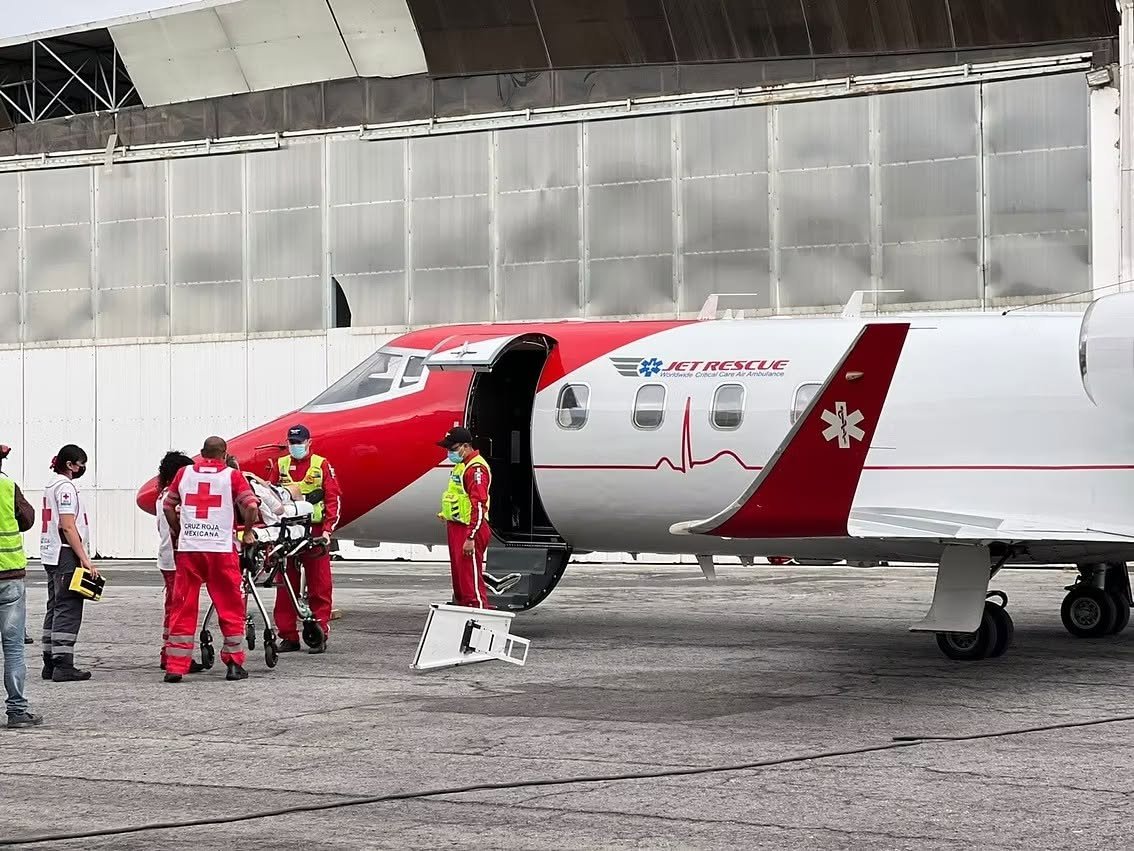
Identification, consent, and legal authority
A surprisingly common delay has nothing to do with medicine. It happens when the patient is ready, the aircraft is ready, but nobody has the correct legal authority to approve the transfer.
Adults who are alert and oriented typically sign their own transport consent. If the patient is unconscious, sedated, cognitively impaired, or a minor, a legally authorized representative usually must sign. Depending on the situation, that may be a parent, spouse, court-appointed guardian, or agent under a healthcare power of attorney. If legal authority is unclear, the transport coordinator may need supporting documents before proceeding.
Identification is equally straightforward but often overlooked under stress. For domestic flights, a government-issued ID is commonly sufficient. For international medevac, a valid passport is usually required, and the name on all medical and travel documents should match exactly. If there is any discrepancy, even a minor spelling issue, border processing can become slower than expected.
When children are transported internationally, additional consent documentation may be needed if only one parent is present or if someone other than a parent is accompanying the child. That is not a medevac rule alone. It can also be an immigration and child protection issue.
Insurance and payment paperwork
Families often ask whether insurance approval is one of the documents needed for medevac. Sometimes yes, sometimes no. Clinically necessary transport can still move before final payer review in certain situations, but insurance documentation remains important for financial clearance and reimbursement.
This may include the insurance card, policy details, case reference number, prior authorization, and a letter of medical necessity from the treating physician. For hospital case managers, this part is usually familiar. For families arranging a private international transfer, it is often the least clear piece of the process.
If the transport is self-pay, the focus shifts from insurance authorization to service agreement documents, payment authorization, and any required billing contact information. A medically sophisticated operator such as Jet Rescue Air will generally help identify which forms are essential versus which can wait until after launch.
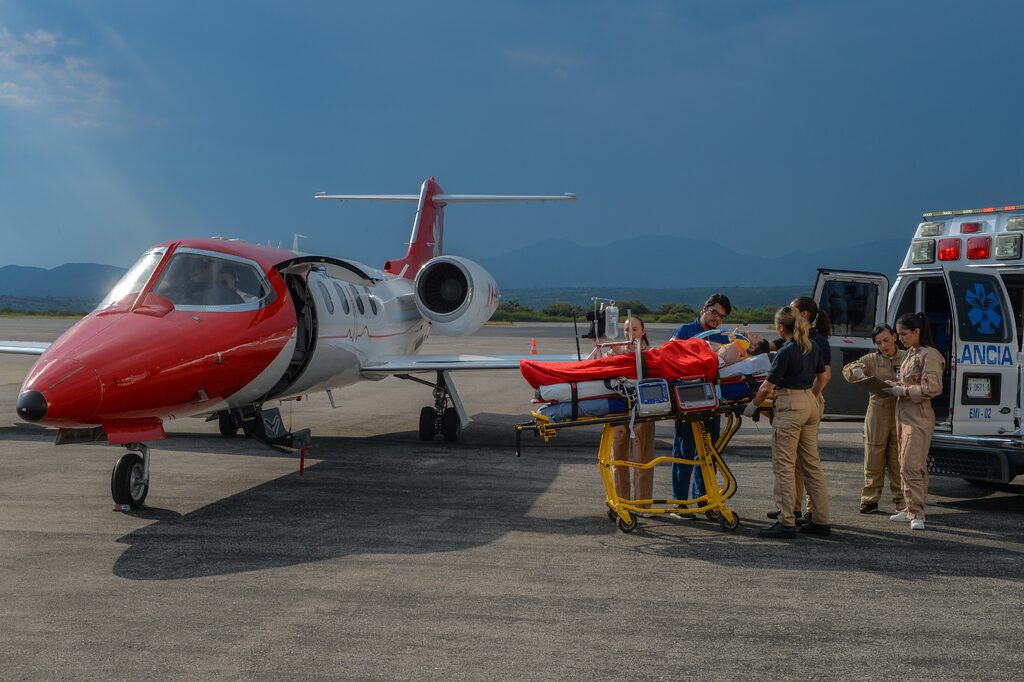
What changes for international medevac
International flights are where documentation becomes more variable. The answer to what documents are needed for medevac changes based on the countries involved, the patient’s citizenship, and the urgency of the mission.
At a minimum, the patient typically needs a passport. Depending on the route, a visa or entry waiver may also be required, although urgent medical cases can sometimes qualify for expedited handling. The receiving hospital may need to issue an acceptance letter, and some destinations may ask for proof that the patient has a confirmed bed, specialist availability, or financial guarantee.
Customs and immigration authorities may also review accompanying family or medical escort documents. If controlled medications, blood products, or specialized life-support equipment are onboard, the operator must manage the regulatory side carefully. Infectious disease declarations may be necessary when the patient has a confirmed or suspected communicable condition.
For repatriation flights, citizenship documents, travel history, and coordination with consulates may become part of the process. That is why international medevac is not just a flight booking. It is a regulatory and medical operation that has to be coordinated in parallel.
Common document gaps that cause delays
The most frequent problems are not dramatic. They are small gaps that become serious at the wrong moment. A passport has expired. The receiving hospital has verbally accepted the patient but has not sent written confirmation. The medication list is six hours old for a patient on multiple drips. A family member believes they can sign consent but cannot prove legal authority.
Another issue is missing infectious disease information. If the patient has tuberculosis, COVID-related precautions, multidrug-resistant organisms, or another infection control concern, the flight team needs that information early. It affects aircraft setup, crew PPE, and destination coordination.
Timing also matters. A patient may have been considered stable enough to transfer at noon and clinically unsuitable by 4 p.m. If records are outdated, the transport plan may need to be revised, sometimes from a basic medical escort to a full critical care air ambulance.
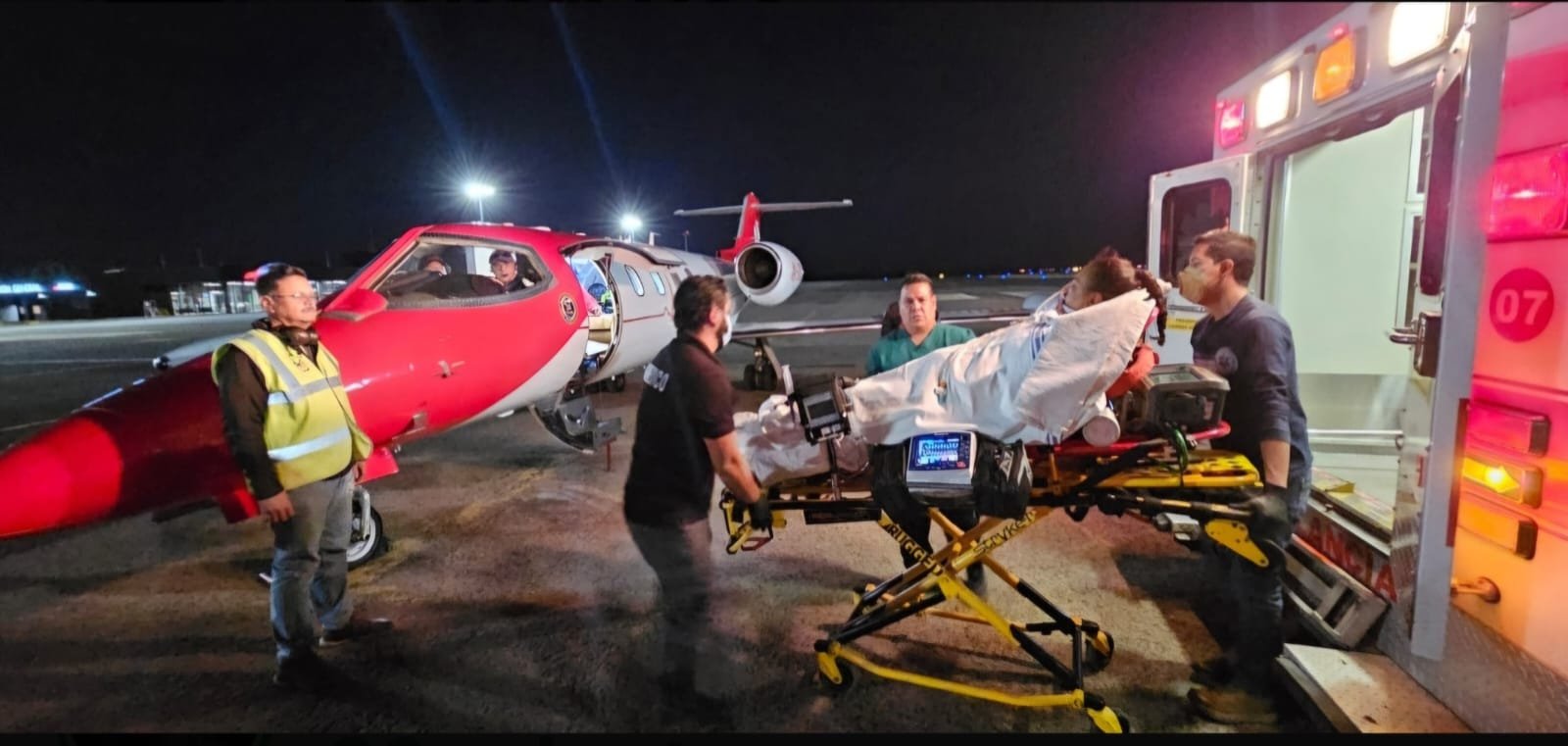
How to prepare documents fast without slowing the mission
The best approach is simple. Start with identity, current medical summary, transfer consent, and receiving hospital acceptance. Then add insurance, full records, and travel paperwork as the transport team confirms the route and level of care.
Hospitals should designate one point of contact who can release records quickly and answer medical questions in real time. Families should focus on legal and identity documents rather than trying to collect the full chart themselves. If the case is international, passport status should be checked immediately, even before flight quotes are compared.
In urgent transports, the provider should guide the document flow instead of leaving families to guess. That matters because every hour spent chasing the wrong paperwork is an hour the patient is not moving.
The practical answer to what documents are needed for medevac is this: enough documentation to prove who the patient is, why the transport is medically necessary, who is authorizing it, and whether the patient can legally enter the destination. Everything beyond that supports speed, safety, and reimbursement. When the paperwork is organized early, the medical team can focus where it belongs - on the patient in the cabin, not the file on the ground.
If you are arranging a transfer now, do not wait for every document to be perfect before making the first call. Start the case, identify the critical gaps, and let the transport plan build around the patient’s urgency.
When the patient has no passport or no documents at all
This is far more common than people expect, and the assumption that it stops a transport is wrong more often than it is right. Before anyone starts chasing paperwork, establish whether the destination country actually requires any.
Several countries guarantee their own nationals entry as a constitutional right, which means no passport and no safe-conduct are needed to bring them home. Mexico is the clearest example. Article 11 of the Mexican Constitution provides that every person has the right to enter the Republic, leave it, travel through its territory and change residence, without need of a safe-conduct, passport or similar requirement. We repatriate patients to Mexico who hold no passport and no travel document of any kind, and the absence of documents is not by itself a reason to delay. The limitations the same article allows for migration and public health authorities are worth checking on a given case, but the starting position is a right of entry, not a requirement to produce papers.
Where the destination does require a travel document, the route is the patient's own consulate or embassy, which can issue an emergency document valid for a single journey home.
Where proof of nationality itself is missing, the chain gets longer: a birth certificate may have to be obtained from the home country's civil registry, sometimes through a relative there who first has to be located. An operator experienced in repatriation will run these steps in parallel. One who is not will hand the problem back to the family.
Documents for a patient who cannot consent
Where a patient lacks decision-making capacity, the transport needs documented authority from someone entitled to give it. That may be a healthcare proxy, a power of attorney, a court-appointed guardian or a statutory next of kin, and which of those applies depends on the jurisdiction, sometimes the jurisdiction of the patient's home country rather than the one they are in.
The file should contain the capacity assessment, the identification of the surrogate and the basis for their authority, and the consent itself. Where no properly authorised surrogate can be identified, the matter belongs with the hospital's ethics committee before any transport is arranged, not after.
Documents for children and unaccompanied minors
A minor travelling without both parents generally needs documented consent from the absent parent or parents, and some countries require that consent to be notarised or apostilled. Where one parent is travelling, carrying the birth certificate showing the relationship avoids problems at immigration. Where the child is travelling with neither parent, the requirements are stricter again and vary by country, so this should be checked against the specific destination early.
Medical documentation that travels with the patient
A current medical summary from the treating physician. The fitness-to-fly assessment. The medication list, with quantities. Imaging and laboratory results relevant to the receiving team. The receiving facility's written acceptance naming the physician. And the signed consent and assignment of benefits where insurance is involved.
One item that catches crews out: controlled medications carried on board for the patient need documentation that satisfies both the departure and arrival countries, and the rules differ. This is the operator's responsibility, but it is worth confirming they have handled it.
Customs, immigration and the arrival end
A medical flight clears customs and immigration like any other international arrival, and an incapacitated patient with an expired visa, an overstay or an open immigration matter can turn a short flight into a multi-day problem. These issues are resolvable, but only in advance.
Tell your operator about any immigration complication at the first conversation rather than hoping it will not come up. It will, and the time to deal with it is before the aircraft is booked.
Tell us about the patient
A mission coordinator answers 24 hours a day. The benefits review is free and carries no obligation.