

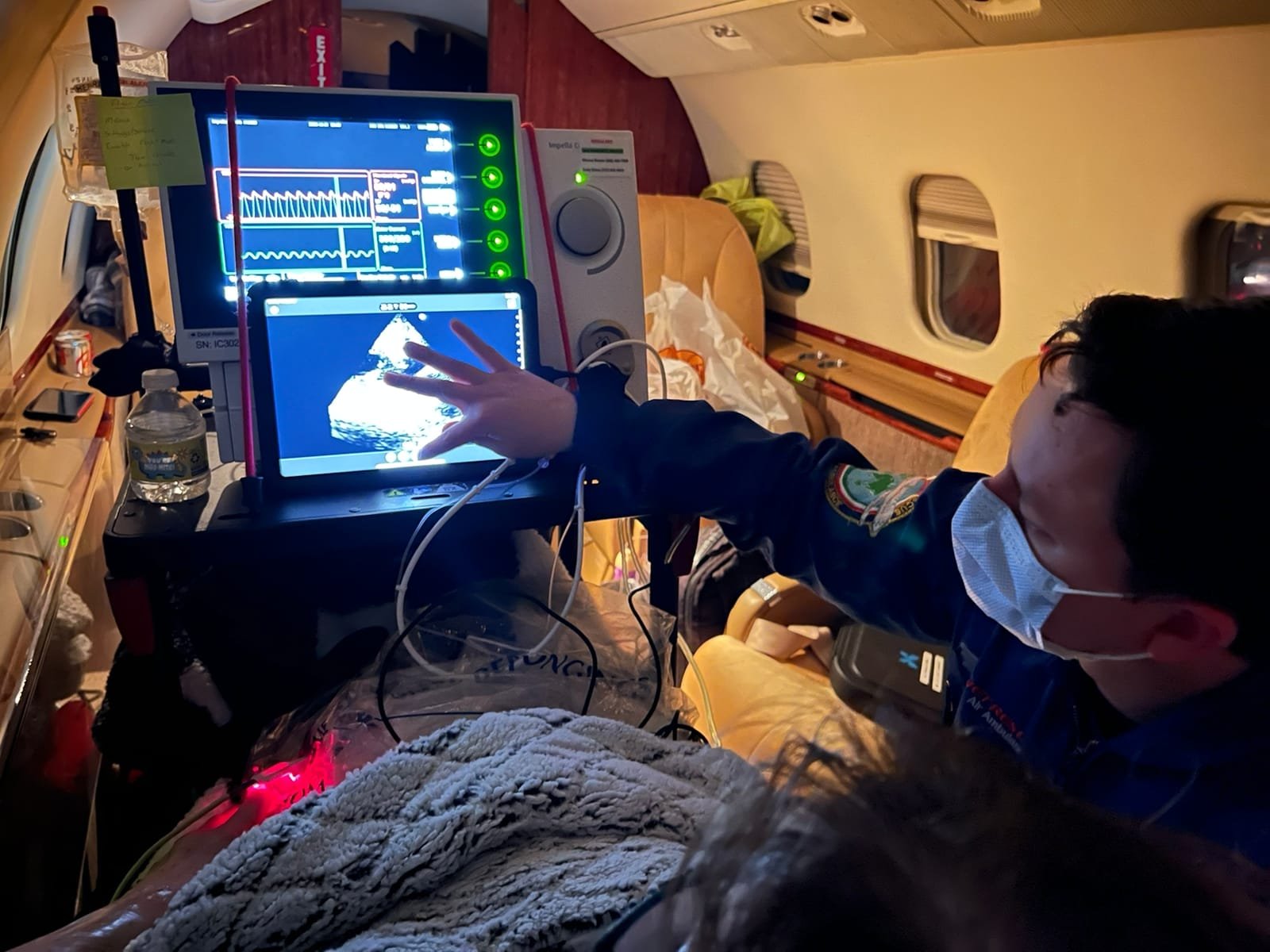
Cardiac Flight Guide for Air Medical Transfers
This cardiac flight guide explains how air medical teams assess heart patients, select aircraft, manage risks, and coordinate safe, fast cardiac transfers.
When a cardiac patient needs to reach a higher level of care, time matters, but speed alone is not the standard. A cardiac flight guide should begin with the question that drives every safe transfer: can the patient’s current condition be stabilized and continuously managed from bedside to bedside?
For patients with a heart attack, unstable arrhythmia, heart failure, cardiogenic shock, recent cardiac surgery, or a need for advanced intervention, air medical transport can connect hospitals across long distances without placing the patient in an unsuitable commercial travel environment. The right mission is planned around the patient’s diagnosis, current stability, required medications and devices, weather, airport access, and the receiving hospital’s readiness.
When a Cardiac Flight Is Appropriate
A cardiac flight is generally considered when ground travel would take too long, when the patient needs a higher-acuity cardiac center, or when a patient must return home under medical supervision after treatment. The decision is clinical, not simply geographic. A nearby facility may still be unable to provide cardiac catheterization, electrophysiology, mechanical circulatory support, transplant evaluation, or postoperative cardiac care.
Air transport may be appropriate for a patient who is stable enough to move but requires continuous ECG monitoring, oxygen, IV medications, defibrillation capability, or critical care supervision throughout the journey. It may also be considered for international repatriation after the treating physician confirms that travel can be managed safely with the right aircraft, crew, and medical plan.
Not every heart patient should fly immediately. A patient with uncontrolled bleeding, rapidly worsening shock, a new unstable rhythm, or an airway that cannot be safely managed may need further stabilization before departure. In other cases, the safest option may be a ground critical care unit, particularly when both hospitals are nearby or weather conditions make air operations unsuitable.
Cardiac Flight Guide: Start With a Clinical Assessment
The transport team needs an accurate picture of the patient before recommending an aircraft or crew configuration. Families and referring facilities can help prevent delays by preparing the essentials: the current diagnosis, physician notes, recent ECGs, imaging and lab results, medication administration record, oxygen needs, weight, infection precautions, and contact information for both physicians.
The most important clinical questions are practical. Is the patient on a ventilator? Are they receiving vasopressors, antiarrhythmics, anticoagulation, or continuous sedation? Do they have a temporary pacemaker, implanted defibrillator, intra-aortic balloon pump, ventricular assist device, or other support equipment? Has the patient had recent surgery, a catheterization procedure, or chest tube placement?
These details affect staffing, equipment, flight duration, fuel-stop planning, and whether a medical jet, helicopter, or ground ambulance combination is appropriate. They also determine whether the mission requires a physician and critical care paramedic, an advanced specialty team, or physician-level oversight.
The Difference Between Stable and Transportable
A patient can be seriously ill and still be transportable. Conversely, a patient who appears comfortable may not be safe to move without the right level of care. Transportability is based on whether foreseeable problems can be identified, prepared for, and treated during every phase of the transfer.
For cardiac patients, that includes movement from the hospital bed into the ambulance, airport transfer, loading, changes in cabin altitude, flight, landing, and admission at the destination. A capable transport plan accounts for the handoffs, not only the time in the air.
Aircraft Selection Is a Medical Decision
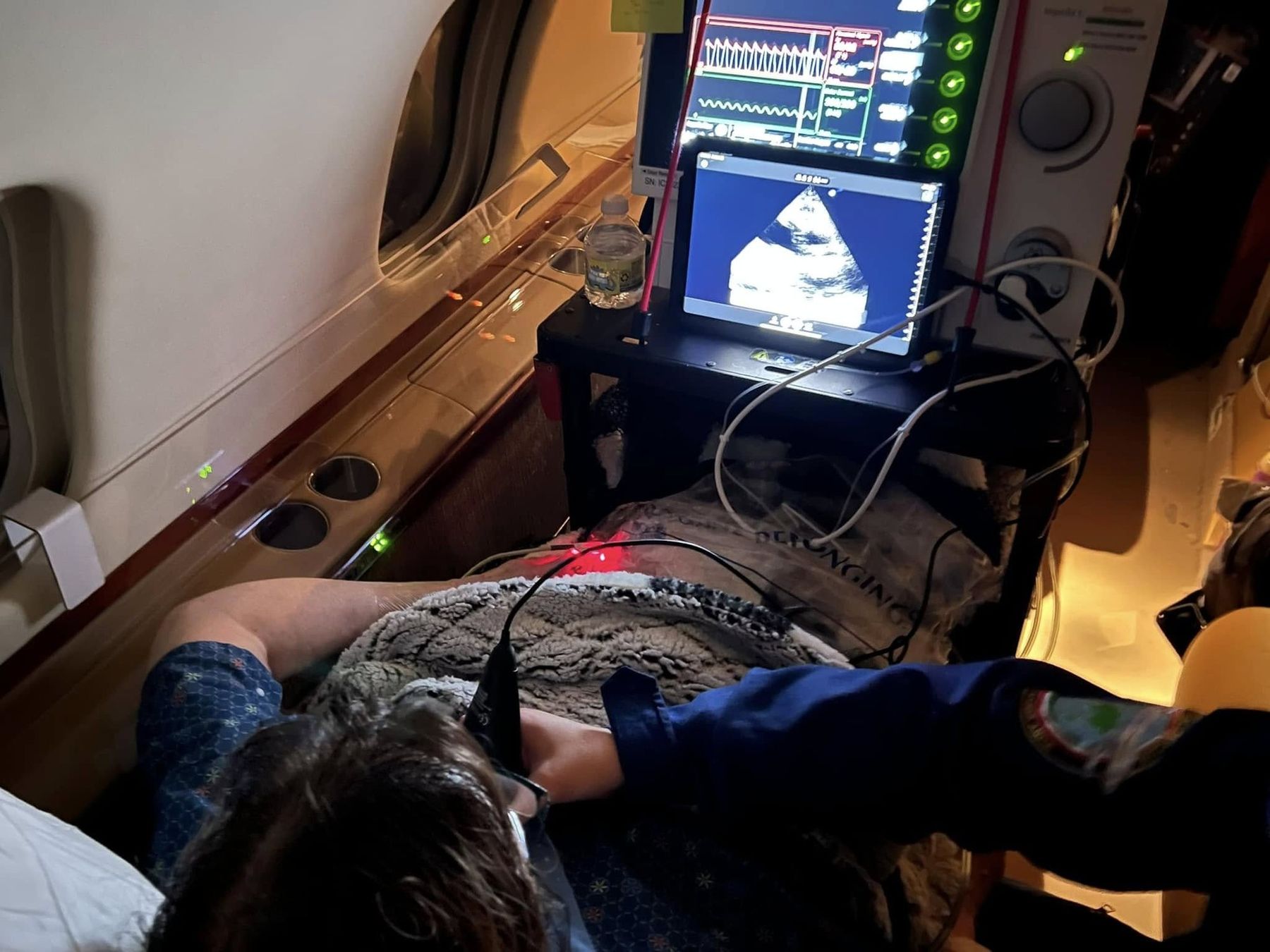
The aircraft should match the patient’s condition and route. A dedicated medical jet is often the preferred option for longer domestic and international cardiac transfers because it provides a controlled clinical environment, space for medical equipment, and the ability to carry a specialized crew. Cabin configuration matters when a patient requires a ventilator, infusion pumps, multiple monitors, or mechanical circulatory support.
A medical helicopter can be the right choice for shorter, urgent transfers where airport-to-airport time would add unnecessary delay. However, helicopters have space, weather, range, and weight limitations. For longer routes, a helicopter transfer may be only one part of a coordinated journey that includes ground critical care and fixed-wing air ambulance transport.
Commercial airline medical escort services can work for selected stable patients who can tolerate sitting or stretcher arrangements and do not require intensive interventions. They are not a substitute for an air ambulance when a patient needs continuous critical care, significant oxygen support, IV infusions, invasive monitoring, or immediate access to resuscitation equipment.
What a Cardiac Air Medical Team Should Carry
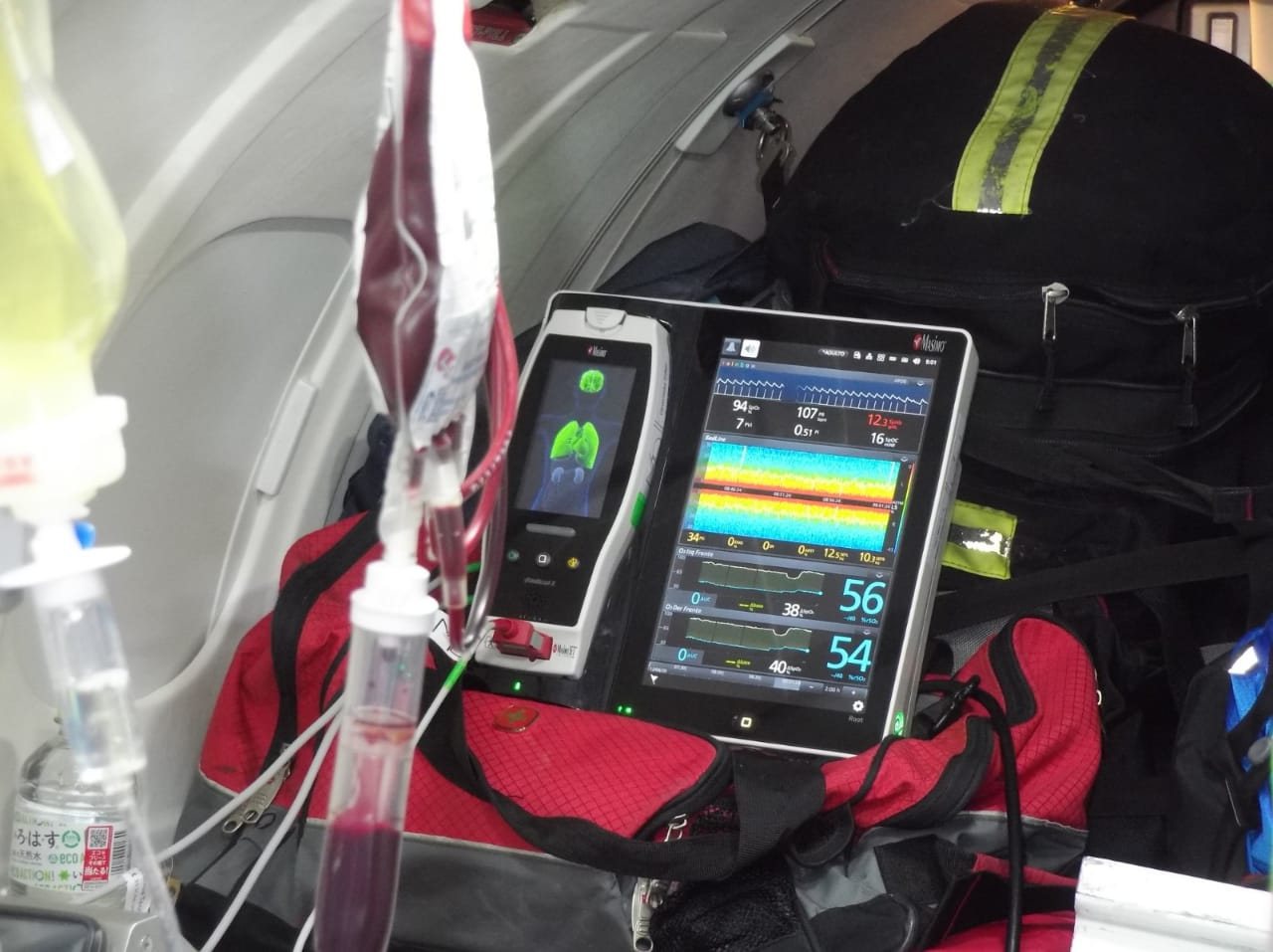
A cardiac transport mission requires more than a monitor and oxygen. Equipment and medication planning should reflect the patient’s risks and the expected duration of transport. Depending on the case, the medical team may require cardiac monitoring with defibrillation and pacing capability, ventilator support, infusion pumps, suction, emergency medications, blood pressure monitoring, and sufficient oxygen reserves for the complete mission.
For higher-acuity cases, the team may need the expertise and equipment to manage complex devices or therapies. That can include mechanical ventilation, arterial-line monitoring, temporary pacing, vasoactive infusions, or advanced circulatory support. The appropriate level of care is determined before launch in coordination with the sending and receiving physicians.
Redundancy is essential. A flight plan should account for additional medication, battery power, oxygen, and supplies in case of delays or an unexpected change in the patient’s condition. The goal is not to assume that the flight will be simple. It is to be prepared if it is not.

Risk Management During Cardiac Transport
Flying introduces operational factors that hospital teams do not manage at the bedside. Changes in cabin pressure can affect certain medical conditions and equipment. Turbulence can make procedures more difficult. Weather may alter routing or departure timing. International transfers can involve customs clearance, airport permissions, and coordination with multiple ambulance providers.
A qualified air medical coordinator evaluates these factors early. The team confirms aircraft availability, runway and airport suitability, medical staffing, ground ambulance timing, destination acceptance, and any border documentation required for the patient, family members, and medical records.
Clear communication is one of the strongest safety tools in cardiac transport. The sending team should provide a thorough clinical handoff. The flight crew should understand current medications, device settings, recent changes in rhythm or blood pressure, code status, and contingency instructions. The receiving facility should be ready to accept the patient without avoidable waiting after arrival.
Questions Families and Case Managers Should Ask
During an urgent transfer, the right questions help clarify whether the proposed transport matches the patient’s needs. Ask whether the crew has cardiac critical care experience, what monitoring and resuscitation equipment will travel with the patient, and whether the aircraft can support the patient’s current oxygen and infusion requirements.
Also ask how bedside-to-bedside transportation will be coordinated, who is communicating with the sending and receiving physicians, and what happens if weather, airport conditions, or the patient’s condition changes. For cross-border missions, confirm who will organize medical documentation, travel permissions, customs procedures, and ground transportation at both ends of the trip.
Cost and coverage should be addressed early, but they should not delay a necessary clinical assessment. Insurance benefits, authorization requirements, and payment options vary widely. A transport coordinator can gather mission details and help families understand what information may be needed for benefit verification or reimbursement.
Planning a Transfer Without Losing Critical Time
The fastest safe transfer begins before the aircraft departs. Referring facilities can reduce delays by confirming the receiving physician and bed, compiling medical records, identifying the patient’s current support needs, and making the patient available for transport once the crew arrives. Families can designate one decision-maker to receive updates and provide required identification, consent, and travel information.
For complex domestic or international cardiac transfers, Jet Rescue Air can coordinate aircraft, specialized medical staffing, ground ambulances, and hospital handoffs as one managed mission. The operational objective is direct: move the patient with the level of monitoring, equipment, and clinical oversight their condition requires.
A cardiac transfer should never be treated as a simple flight reservation. The right plan gives the patient a continuous chain of care from the current hospital bed to the next clinical team, with every mile designed around safety.
Tell us about the patient
A mission coordinator answers 24 hours a day. The benefits review is free and carries no obligation.