

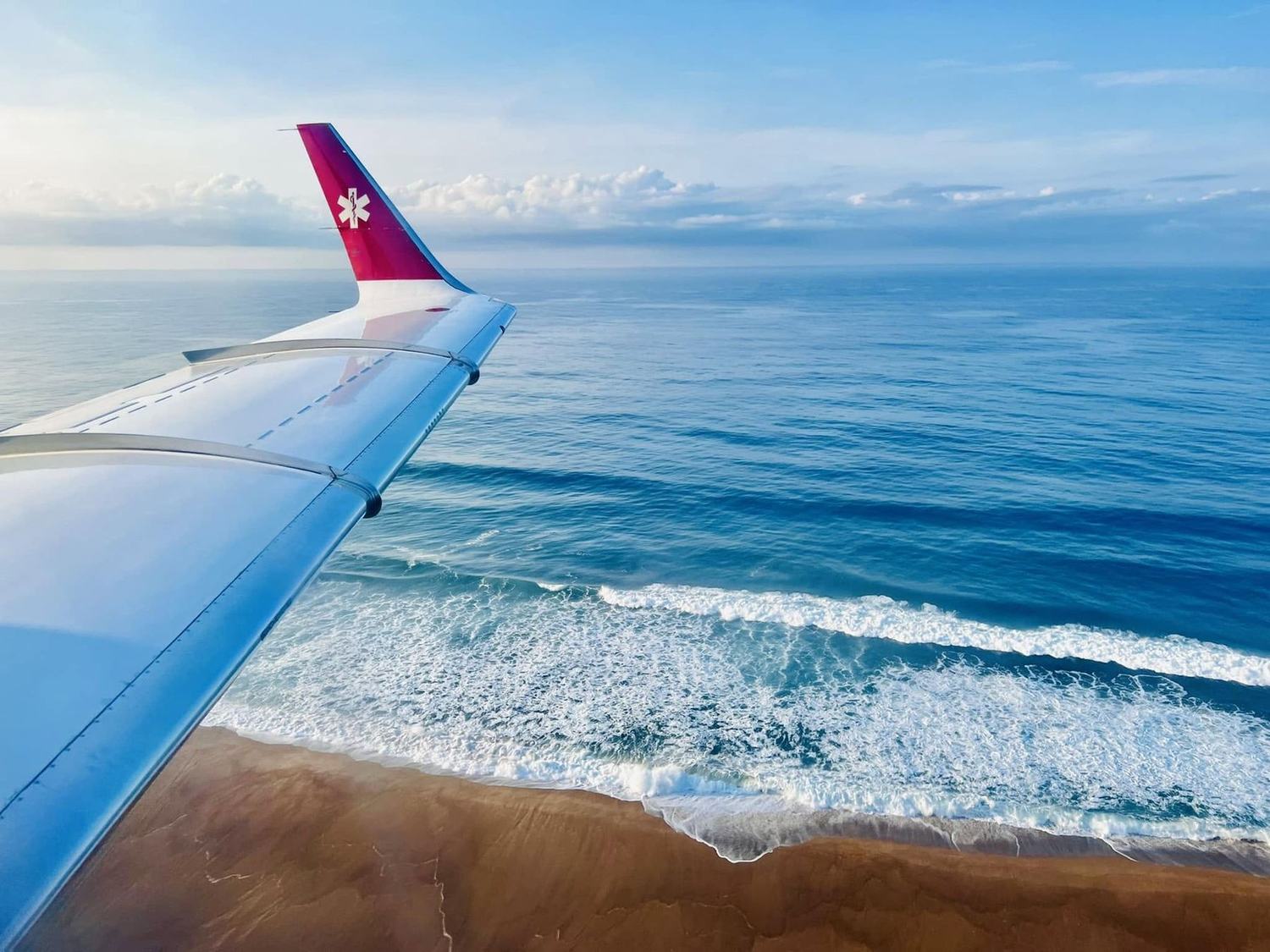
Air ambulance in the Mexican Caribbean
Air ambulance and medical evacuation from Cancún, the Riviera Maya, Playa del Carmen, Tulum and Cozumel, flown by our own ICU jets based in Mexico.
The stretch of coast that sends us the most calls
Cancún, Playa del Carmen, Puerto Morelos, Tulum, Akumal, Cozumel and Isla Mujeres sit on one short piece of coastline, and between them they take several million visitors a year. Most go home as they arrived. A few do not: a diving accident, a road accident on the 307, a heart attack on holiday, a stroke, a complication after surgery that was supposed to be routine.
When that happens, the patient is in a hospital a long way from their own doctors, their own insurer and their own family, and the question becomes how to get them home safely rather than cheaply.
Why we are close
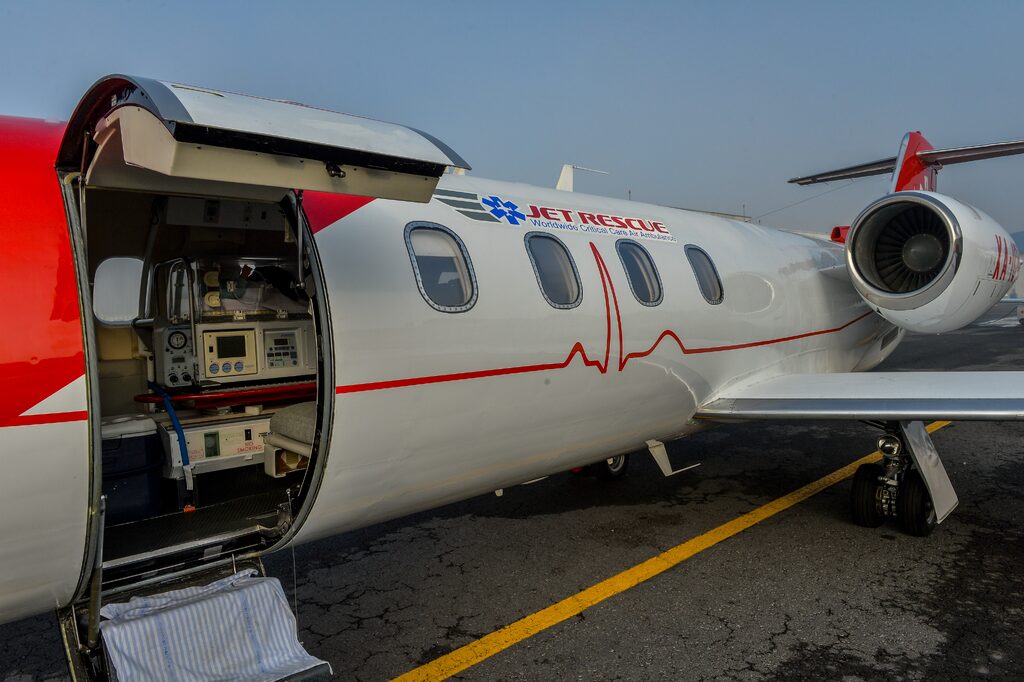
We are a Mexican air ambulance operator with our own aircraft and our own crews. Cancún is a short positioning leg for us, not an international mobilisation. That matters because the clock on a medical transfer starts when the aircraft leaves, not when the phone call ends: an operator flying in from Florida or Texas is adding hours before the crew has even seen the patient.
From the Mexican Caribbean our aircraft reach Miami, Houston and most of the southern United States without a fuel stop, and the whole of the US and Canada with one.
Where the patients go
- Home to the United States or Canada, to a hospital the family chooses and that has agreed to accept the patient.
- To Mexico City or Monterrey, when the specialty the patient needs is closer than home and they are not yet fit for a long leg.
- To Europe, under a travel or expatriate policy, usually with the insurer's medical team involved from the first call.
What is actually involved
A ground ambulance brings the patient to the aircraft. Our doctor and flight paramedic take the handover on the ramp, transfer the patient to our stretcher and our monitoring, and fly them to the receiving hospital. A second ground ambulance meets the aircraft at the other end. It is bed to bed, not airport to airport, and one coordinator stays with the case throughout.
Divers are a particular case. A patient who needs recompression does not fly at normal cabin altitude, and sometimes should not fly at all until they have been treated. We will say so.
If you are travelling here
A membership costs less than the excess on most travel policies and covers the transport home outright. If you are already on holiday and nothing has happened yet, it is worth ten minutes. If something has already happened, a membership will not help you — call us and we will quote the flight instead.
Tell us about the patient
A mission coordinator answers 24 hours a day. The benefits review is free and carries no obligation.