

Arranging Medical Air Evacuation From Mexico
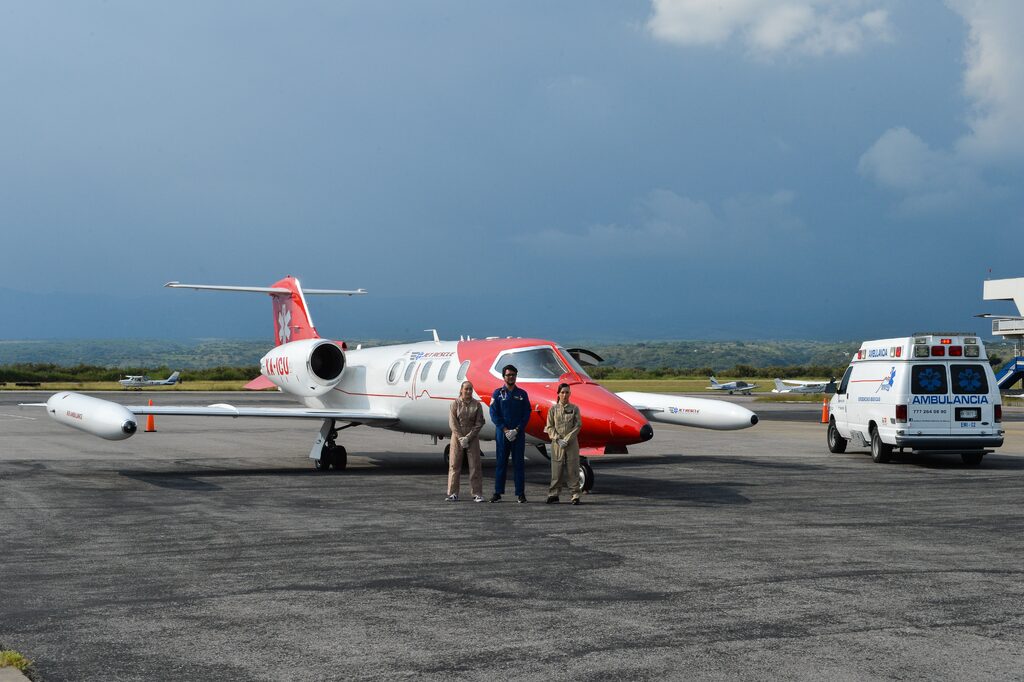
Air ambulance evacuation from Cancun, Los Cabos, Puerto Vallarta and anywhere in Mexico. Aircraft based in Mexico, so no positioning leg is billed.
The corridor we fly more than any other, with aircraft and crews based in Mexico
Why evacuation from Mexico is its own problem
Every year a large number of foreign nationals are hospitalised in Mexico: tourists injured in Cancún, Los Cabos and Puerto Vallarta, retirees and residents in Jalisco and Baja, business travellers in Monterrey and Mexico City, cruise passengers taken off at port. Most are insured somewhere else, treated in a private hospital that bills in pesos and expects payment before discharge, and represented by a family several time zones away who do not speak Spanish.
The clinical problem is usually the smallest part of it. The hard parts are getting an accurate picture of the patient’s actual condition, establishing who is paying, obtaining the medical records, settling the hospital account so the patient can be released, and coordinating permits across two aviation authorities. A provider flying in from abroad handles none of that well, because none of it happens in the air.
What being based in Mexico changes
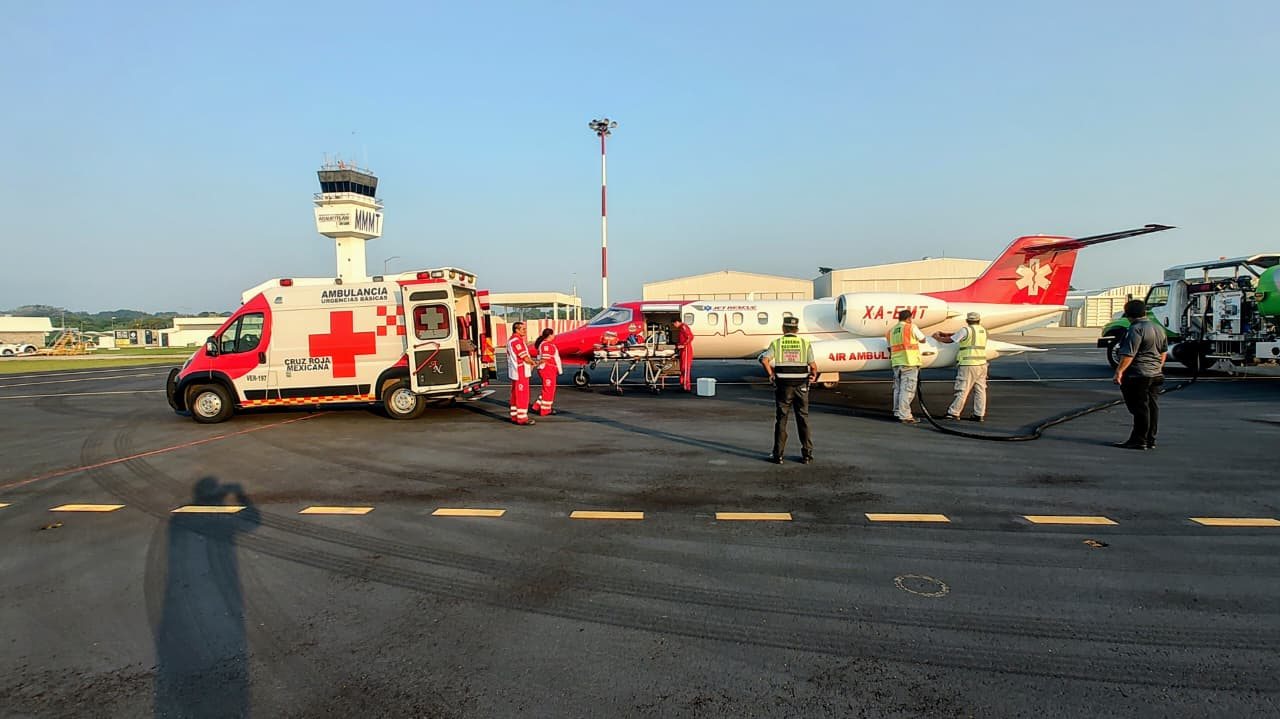
No positioning leg. Operators flying in from the United States bill the empty flight down and often the empty flight back. Our aircraft and crews are already in Mexico. On a Mexico-origin case that difference is substantial and it shows up in the quote.
Somebody physically at the hospital. Bilingual coordinators who can walk into the facility, read the chart in Spanish, speak to the treating physician directly and tell you what is actually happening rather than relaying a translated summary.
We know the hospitals. Which facilities in each resort city can actually manage a critical patient, which will release a patient against an insurer guarantee and which will not, and which will quietly inflate a foreign patient’s bill.
Both sides of the border, properly licensed. MED JETS S.A. de C.V. operates the aircraft under Mexican AOC MTS/2015. Med Jets USA, Inc. holds Florida DOH licence AIR9505 and acts as an indirect air carrier under U.S. DOT Order 83-1-36. That combination is what lets a Mexico-to-United States evacuation run as one coordinated movement rather than a handoff between two companies.
Where we fly from
Cancún, Playa del Carmen, Cozumel and the Riviera Maya. Los Cabos and La Paz. Puerto Vallarta. Guadalajara. Mexico City. Monterrey. Tijuana. Ixtapa and Zihuatanejo. Huatulco and Puerto Escondido. Also smaller fields and remote sites where a resort, a mine or an industrial operation needs a patient moved and the nearest adequate hospital is hours away by road.
Where we fly to
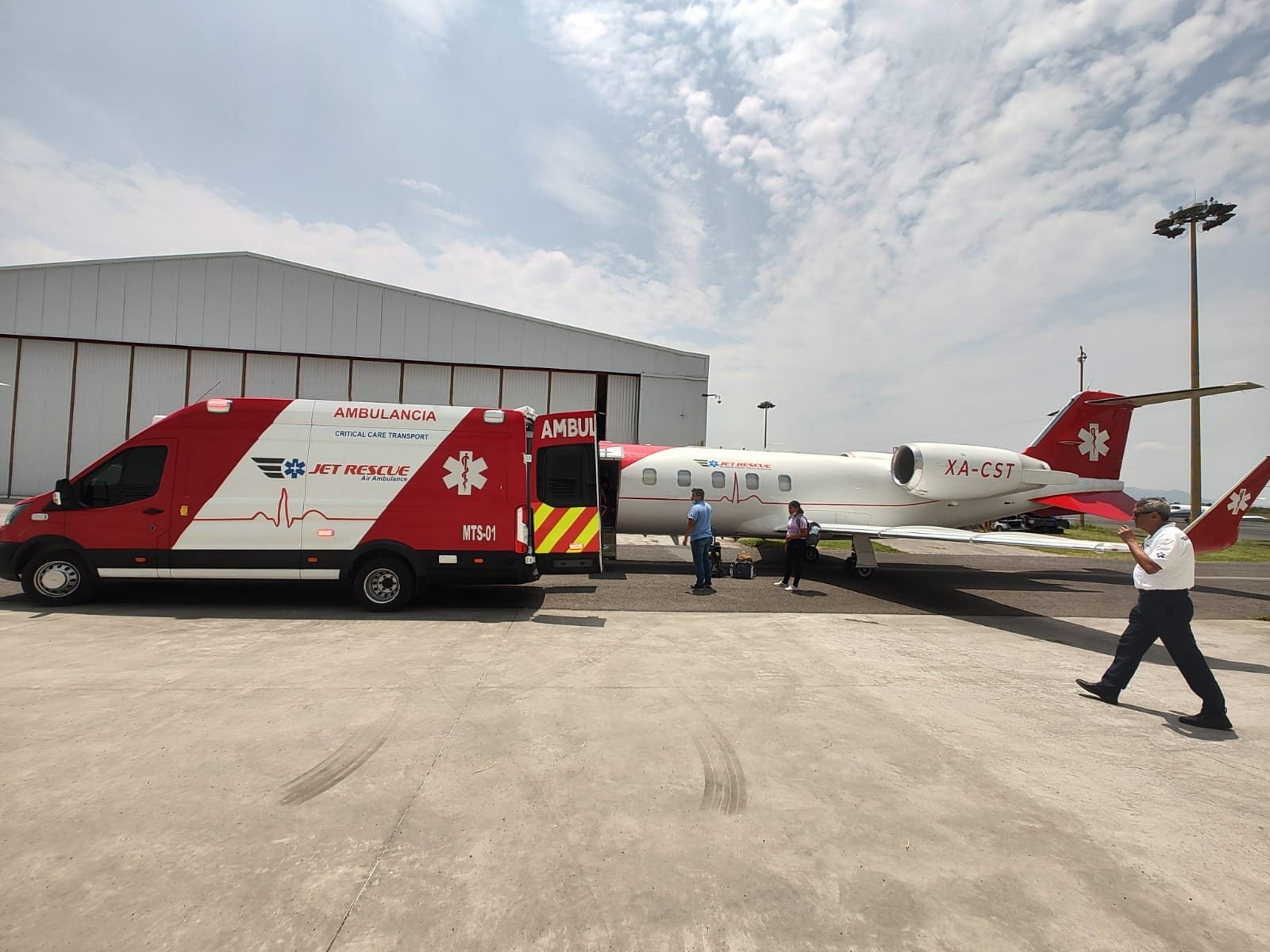
Most commonly the United States: Houston, San Diego, Miami, Phoenix, Dallas and Los Angeles are routine receiving points, as are the patient’s home-city hospitals further north. Also Canada, and repatriations onward to Europe and South America. For patients whose home is elsewhere in Mexico, inter-facility transfer to Mexico City, Guadalajara or Monterrey is frequently the clinically correct answer and far cheaper than an international flight.
What it costs, honestly
A dedicated air ambulance from Mexico to the southern United States commonly runs in the range of US$20,000 to US$45,000 depending on the departure city, aircraft type and the crew the patient requires. Longer United States destinations and transatlantic routes cost more. A commercial stretcher is materially less. A medical escort on a scheduled flight is less again, and covers more cases than most people expect.
Hospital settlement is separate from transport and is often the larger number. We will tell you what the hospital is likely to demand before release, and we negotiate it where we can.
How to start
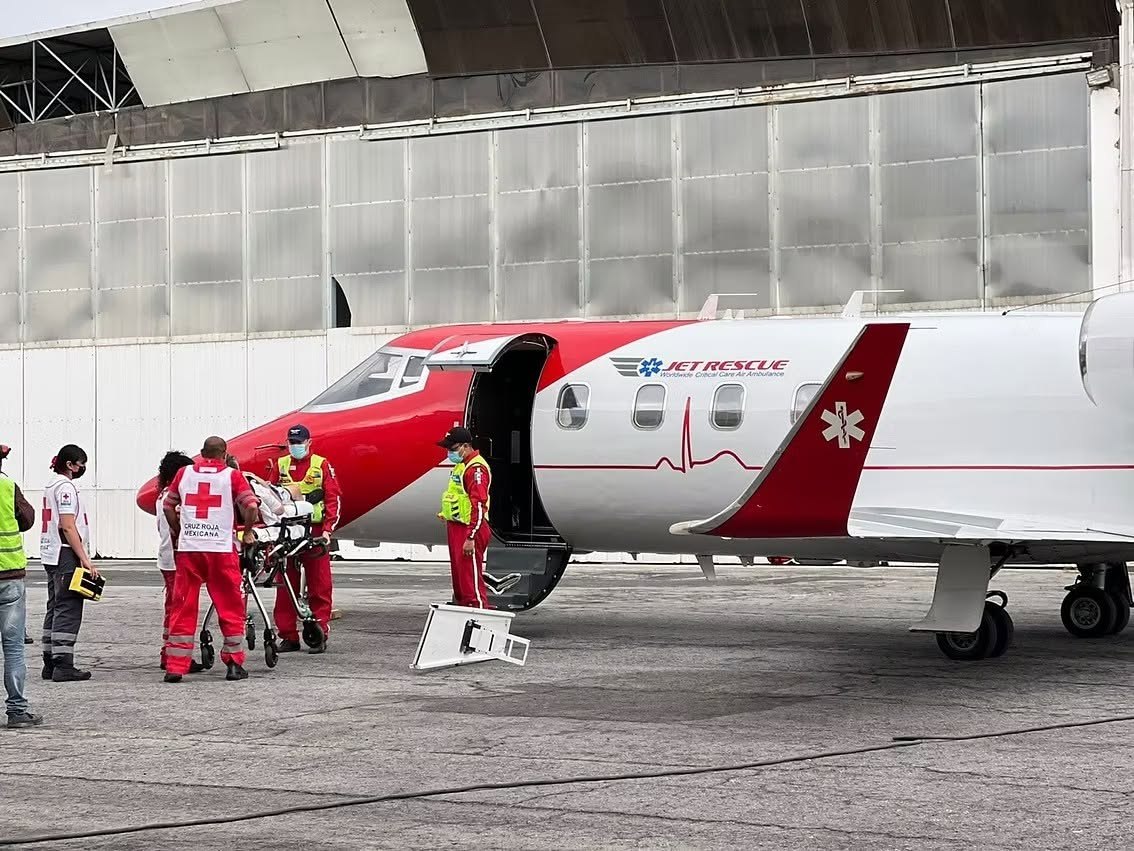
Call the operations desk with the patient’s hospital and city, diagnosis and current condition, whether they are ventilated, who is paying, and where they need to go. A flight physician reviews the case the same day and tells you the mode the patient actually needs, a firm price and a realistic timeline. If a cheaper mode is clinically appropriate, we will say so.
Patient Focused
Tell us about the patient
A mission coordinator answers 24 hours a day. The benefits review is free and carries no obligation.