

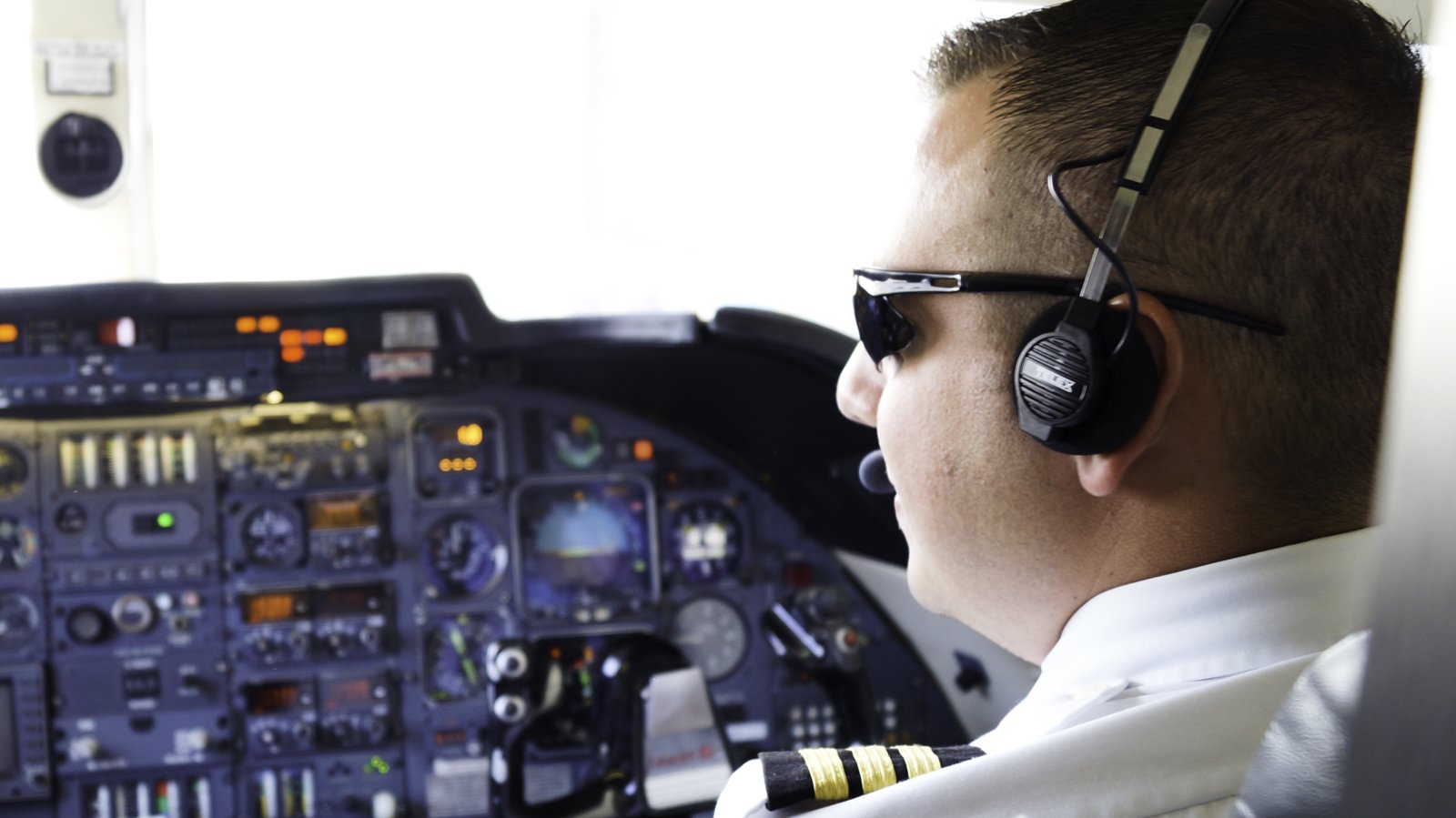
The people flying the aircraft
Two airline-rated pilots on every Jet Rescue mission, flying our own aircraft to Part 135 standards under our own operating certificate.
Two pilots. Every flight. No exceptions.
Every Jet Rescue mission is flown by two airline transport pilot rated crew members. Not one pilot with an autopilot. Not a captain plus whoever was available. Two fully qualified pilots, each type-rated on the Learjet they are flying, each able to fly the aircraft alone if the other becomes unable to.
That matters more in this work than in almost any other kind of flying. An air ambulance leg is often launched at short notice, at night, into an airport the crew has not seen before, with weather that a scheduled airline would simply delay around. Having a second qualified pilot in the other seat is what makes that safe rather than heroic.
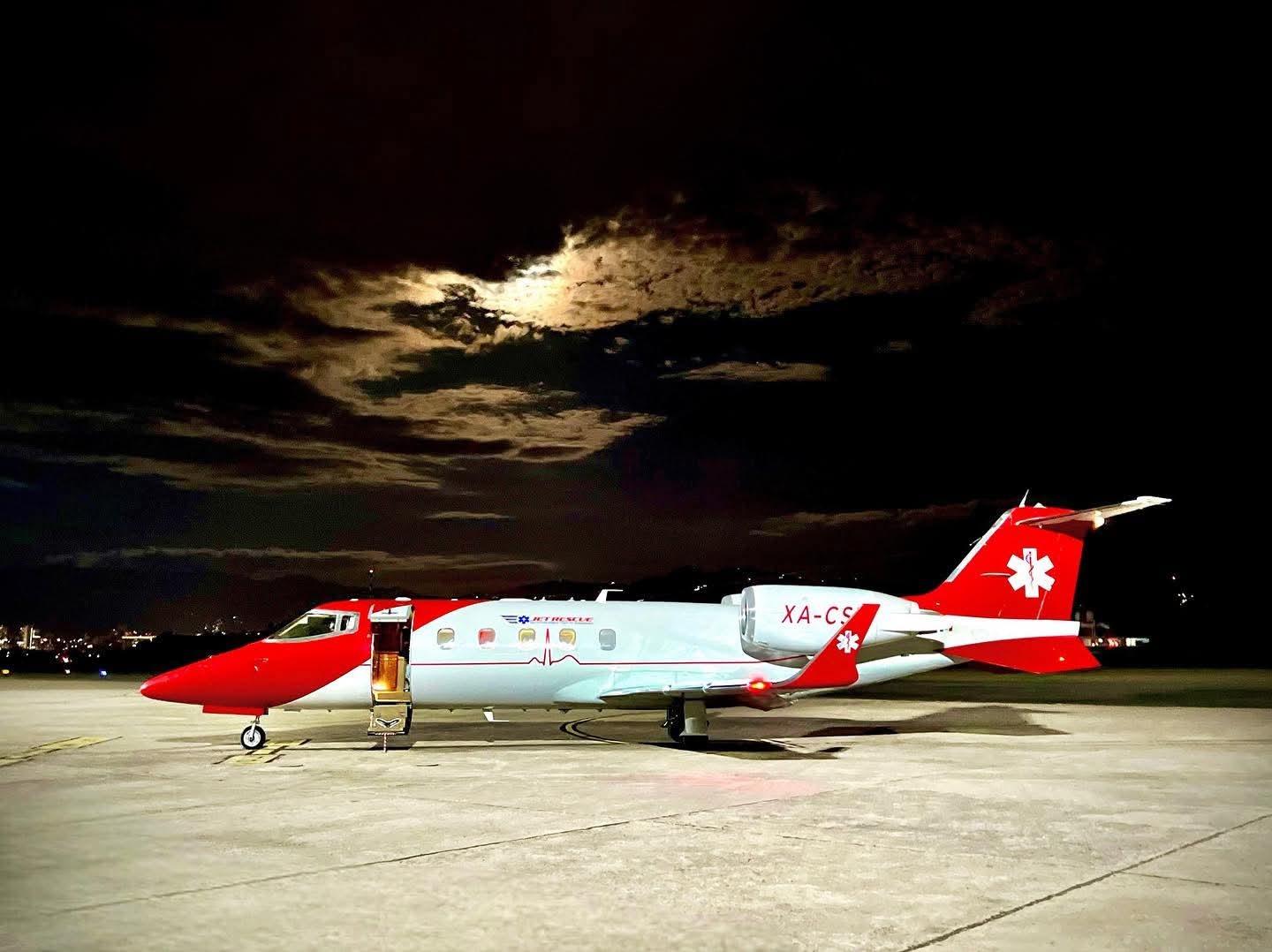
They fly our aircraft, not somebody else’s
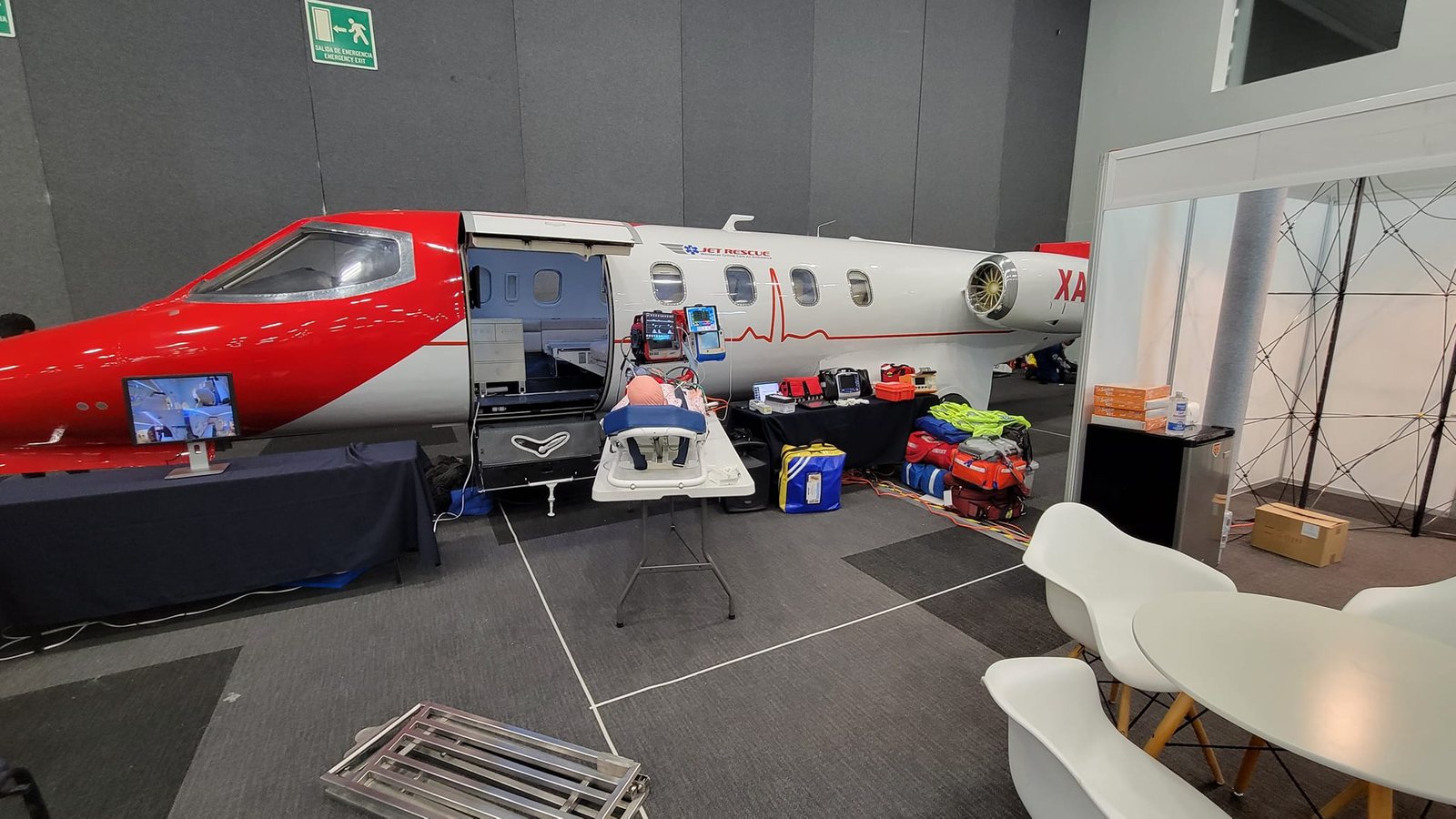
Our pilots are our own flight crew, flying our own aircraft under our own operating certificate. They are not contractors sourced for a trip. They know these specific airframes, the medical installation in the back, the weight and balance consequences of an incubator or an ECMO console, and the crews they are flying with.
When you book an air ambulance through a broker, nobody can tell you who will be in the cockpit until the aircraft is assigned. With us, the flight department that answers your call is the one that flies the mission.
What the pilots do that nobody sees
- They plan the fuel around the patient, not the other way round. A critical patient does not tolerate an extra stop well. The crew works the numbers to see whether the leg can be flown non-stop at the weights involved, and tells the medical director honestly when it cannot.
- They manage cabin altitude. On a patient with a head injury, decompression sickness, a pneumothorax or severe anaemia, how high the aircraft flies is a clinical decision as much as an operational one. The pilots fly the profile the doctor asks for, and say so when it costs range.
- They get the permits. Overflight and landing permissions, slots, customs, a ramp that a ground ambulance can actually drive onto at three in the morning. Much of the work of an international medical flight happens before the engines start.
- They say no. The hardest and most important thing a professional pilot does. If the weather, the runway, the duty time or the aircraft is not right, the flight waits. We would rather have that conversation with you than have the other one.
Standards
All flights are operated by FAA Part 135 certificated direct air carriers or their foreign equivalents. Our Mexican aircraft are operated by MED JETS S.A. de C.V. under AOC MTS/2015. Crew duty and rest limits are the published ones, and we do not flex them because a case is urgent — an urgent case is exactly when a tired crew is most dangerous.
Trained at FlightSafety International
Our pilots do their type and recurrent training at FlightSafety International, in full-motion simulators for the Learjet they actually fly. That is where the engine failure on takeoff, the rapid decompression, the hydraulic loss and the single-engine approach in weather get rehearsed — in a box, repeatedly, until the response is automatic, rather than for the first time with a patient on board.
FlightSafety is the training provider the major operators and manufacturers use, and we chose it for the same reason: the instructors fly these aircraft, the simulators are the real thing, and the standard does not move. Recurrent training and checkrides happen on a schedule, on type, in addition to the company’s own line checks.
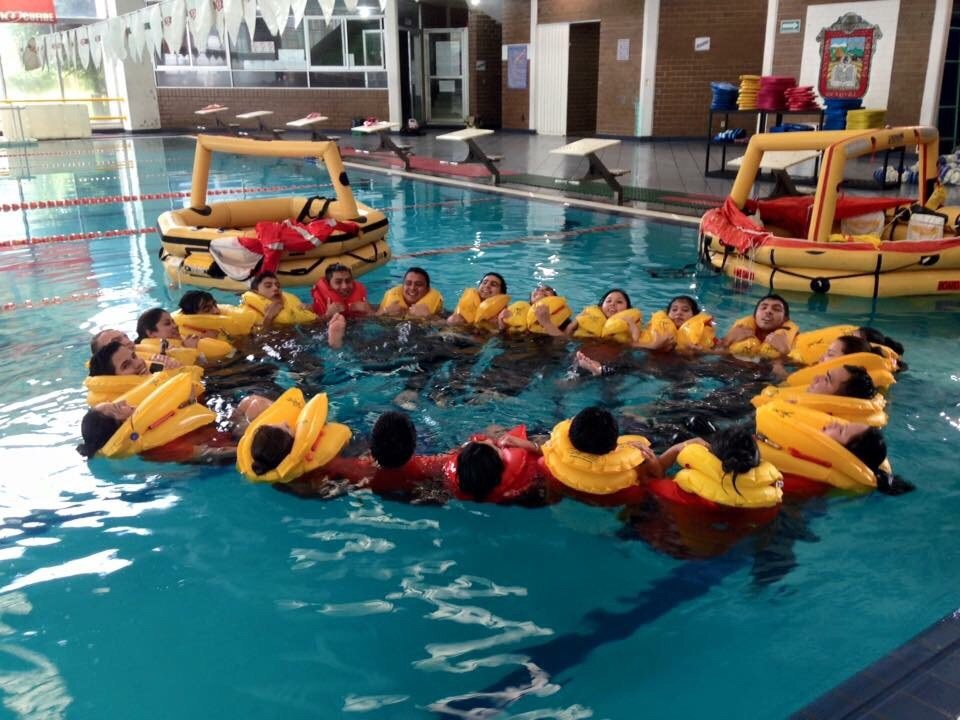
The medical crews train alongside them: cabin emergencies, decompression, evacuation with a patient on a stretcher, and the water survival and ditching drills that long overwater legs require.
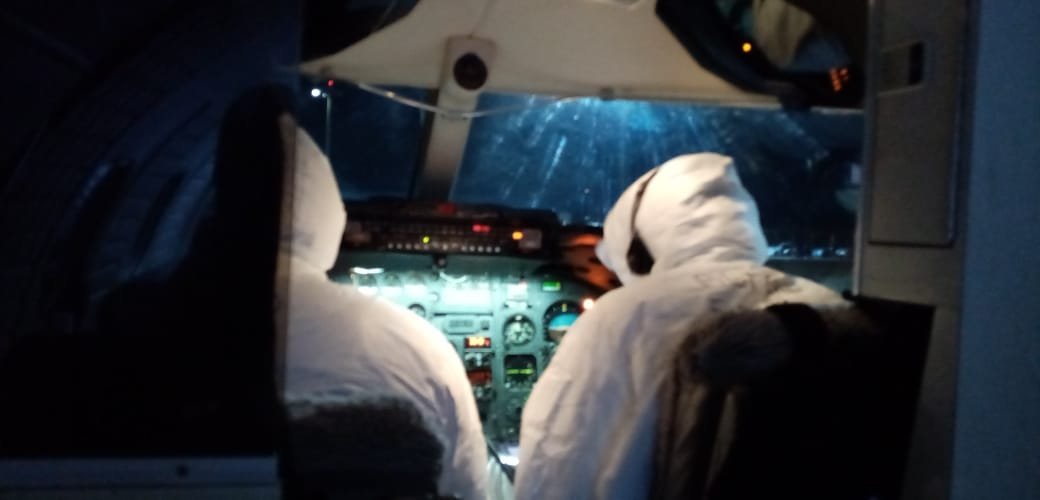
Flying for Jet Rescue
We are always interested in hearing from experienced Learjet crew, particularly pilots with air ambulance or international operations background who are comfortable with short-notice departures and the realities of flying with a critical patient in the back. If that is you, see employment opportunities.
Tell us about the patient
A mission coordinator answers 24 hours a day. The benefits review is free and carries no obligation.