

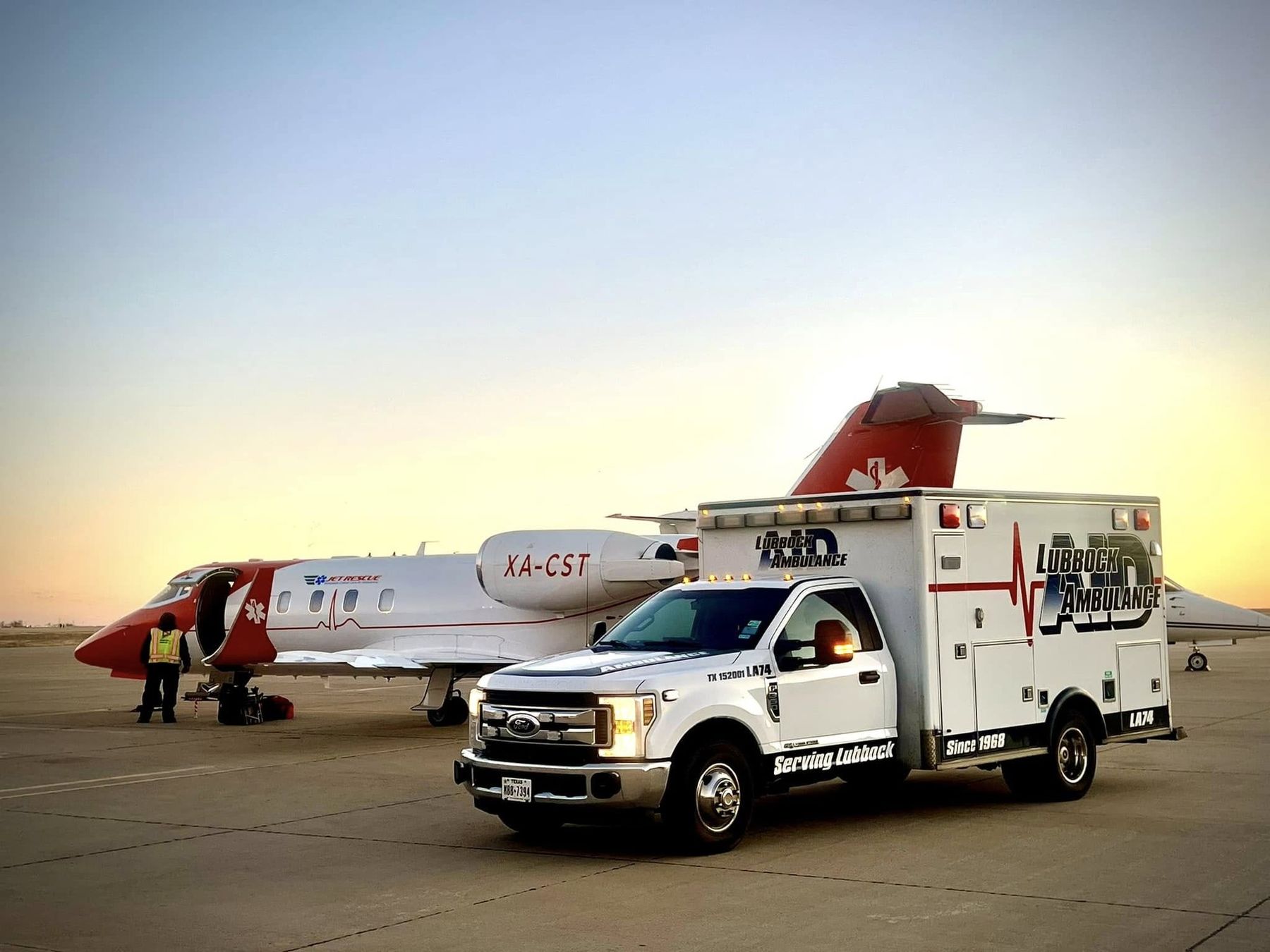
Air Ambulance From Costa Rica to Florida
Air ambulance from Costa Rica to Florida: San Jose or Liberia to Miami, Fort Lauderdale, Tampa and Orlando in about three hours. ICU jet, doctor and paramedic.
Costa Rica to Florida is the busiest medical corridor out of Central America, and the one we fly most. About three hours from San José or Liberia to Miami, in an aircraft configured as an intensive care unit, with a flight physician and a critical care paramedic on board.
Why almost every case goes to Florida
Florida is the nearest part of the United States with the full range of tertiary care, and for a patient in San José it is closer than most of Costa Rica’s neighbours. Miami and Fort Lauderdale hold the trauma, cardiac, neurosurgical, transplant and burn programmes that a serious case needs, the hospitals are used to receiving international patients, and Spanish is spoken on the ward rather than through an interpreter on a phone. For most US insurers, Florida is also the first point where the patient is firmly back inside the network.
Costa Rica’s own hospitals are better than visitors expect. The CCSS system and the private hospitals in the Central Valley handle a great deal well. What sends a patient north is either a service that does not exist locally, or an insurer that will only pay for care at home.
The two airports we fly from
Juan Santamaría (SJO) serves San José and the Central Valley, where most of the country’s hospitals are. Daniel Oduber Quirós (LIR) at Liberia serves Guanacaste, and it matters more than people realise: a patient in Tamarindo, Nosara, Papagayo or Playa Flamingo can be flown out of Liberia instead of enduring three or four hours of road to the capital first. Tobías Bolaños is available for smaller aircraft in San José.
Where in Florida we land
- Miami and Fort Lauderdale — the shortest legs and the majority of what we fly on this route.
- Tampa, Orlando and Jacksonville, when that is where the receiving physician or the family is.
- Onward to any US hospital — Houston, Atlanta, New York or the patient’s own hospital, flown through or direct depending on the patient.
We fly to the hospital, not to an airport. A ground ambulance meets the aircraft at both ends and the patient is handed over at the receiving bed, with a signed document confirming they were admitted rather than merely delivered.
The receiving bed comes first
The flight is the controlled part. What holds these cases up is the other end: a Florida hospital has to accept the patient, which means an admitting physician, a named service and a bed, and that is not something a family can arrange from a hotel in Jacó. We work the acceptance first and build the transport around the confirmation, rather than launching an aircraft and hoping. If the patient should not fly yet, we say so in writing instead of taking the booking.
Medicare pays nothing here
This is the single most expensive misunderstanding on this route. US Medicare does not cover care or transport outside the United States, so an American retiree in Costa Rica — and there are tens of thousands — is relying on a travel policy, an expatriate policy, a Medicare Advantage plan with foreign emergency cover, or their own funds. Canadian provincial plans pay very little abroad for the same reason.
Where a plan does qualify and the transport is medically necessary, the flight can cost you nothing out of pocket. We verify the benefits free of charge and deal with the insurer directly. Where there is no coverage, the price is one fixed all-inclusive figure agreed in writing before you commit: aircraft, flight crew, medical crew, equipment, ground ambulance at both ends, landing, handling and permits. See what an air ambulance costs and when insurance covers one.
What flies with the patient
An ICU-configured Learjet — the Learjet 36-ARX for range or the Learjet 60 for the largest cabin in the fleet — with a flight physician and a critical care paramedic, a transport ventilator, monitor, infusion pumps and the oxygen for the whole leg with reserve. One mission coordinator owns the case from the first call to the signed handover, so you are not relaying messages between four parties.
Not every patient needs a dedicated aircraft. A stable, non-ambulatory patient can often travel on a commercial flight with a medical escort for a fraction of the cost, and we will tell you when that is the right answer.
Common questions
How long is the flight from Costa Rica to Florida?
About three hours in the air from San José or Liberia to Miami or Fort Lauderdale, roughly 1,100 nautical miles. Add the ground ambulance at both ends and the handover, and a straightforward case is a half-day door to door. Tampa, Orlando and Jacksonville are a little further north and add under an hour.
Can you collect a patient in Guanacaste rather than San José?
Yes. Daniel Oduber Quirós International at Liberia (LIR) takes our aircraft, so a patient in Tamarindo, Nosara, Papagayo or the Guanacaste resorts flies out from there instead of being driven three or four hours to the capital first. For patients already in San José we use Juan Santamaría (SJO) or Tobías Bolaños.
Does Medicare pay for a medical flight from Costa Rica?
No. US Medicare pays nothing for care or transport outside the United States, and this is what catches most American retirees in Costa Rica. A travel policy, an expatriate policy or a Medicare Advantage plan with foreign emergency cover might pay. Send us the policy and we will read it before you commit to anything.
Will my insurance cover the transport?
Often, when the transport is medically necessary and approved in advance. We verify the benefits at no charge, document the medical necessity with the treating physician, obtain the authorization before the aircraft is released, and bill the insurer directly under a signed assignment of benefits. Where there is no coverage we quote one fixed all-inclusive price in writing before you commit.
Can a family member travel with the patient?
Usually one relative, where weight, fuel and the patient’s condition allow. Tell us at the first call so it is planned in rather than argued about on the ramp.
Call +1.786.619.1268 at any hour and ask for a mission coordinator, message us on WhatsApp at +1.305.504.1093, or send the case details. The clinical review is free and carries no obligation.
Related: air ambulance in Costa Rica, Central America to the United States and our Miami operation.